

“Lady Maria and the Asymmetric Samurai Sculptor are not completely mistaken; blood and iron still smell the same. Not in the chaotic, savage way of Yharnam, nor the dusty rot of Lordran, but more hushed, acute—a scent that promises hidden blades and new opportunities. I do not enter Shadows as an eager pilgrim but as a wary duelist. Let’s see what the game actually has to offer when faced with my hardened disbelief.”
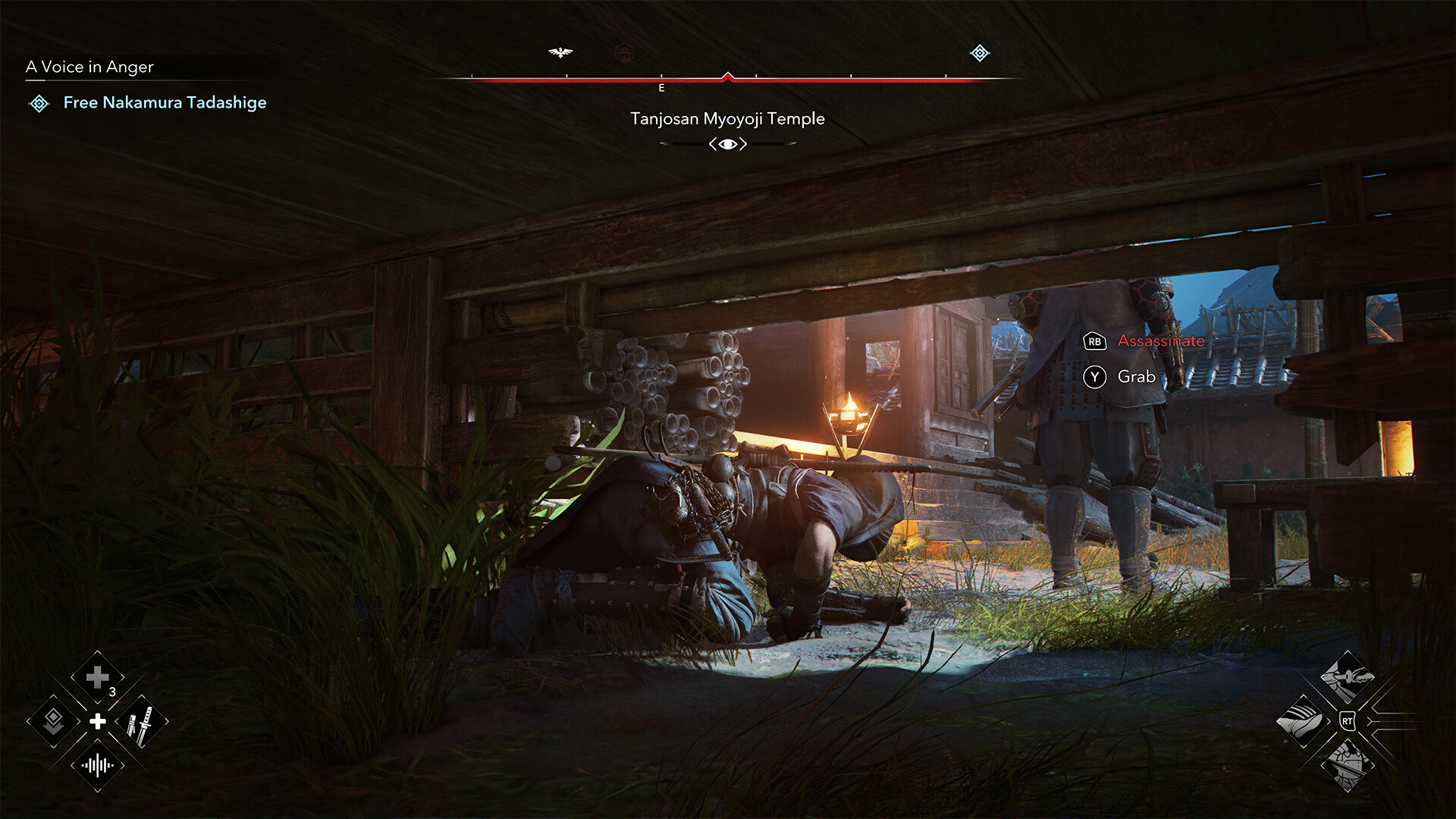
Combat: A Symphony of Shadows or Simply Another Swinging Stick?
The game has its own “dance” inherent in fighting, and the first clash tells me enough. It seems that Shadows has yielded some of the ‘button-mashing’ its forebears featured and adopts the Stance System: I might venture, reminiscent of Sekiro’s deliberate brutality. Parries require exactness, dodging is often draining stamina use in that Souls-like fashion, and missing a heavy attack during critical moments will result in being ‘utterly destroyed, like a naive Chosen Undead who’s meeting Artorias.’
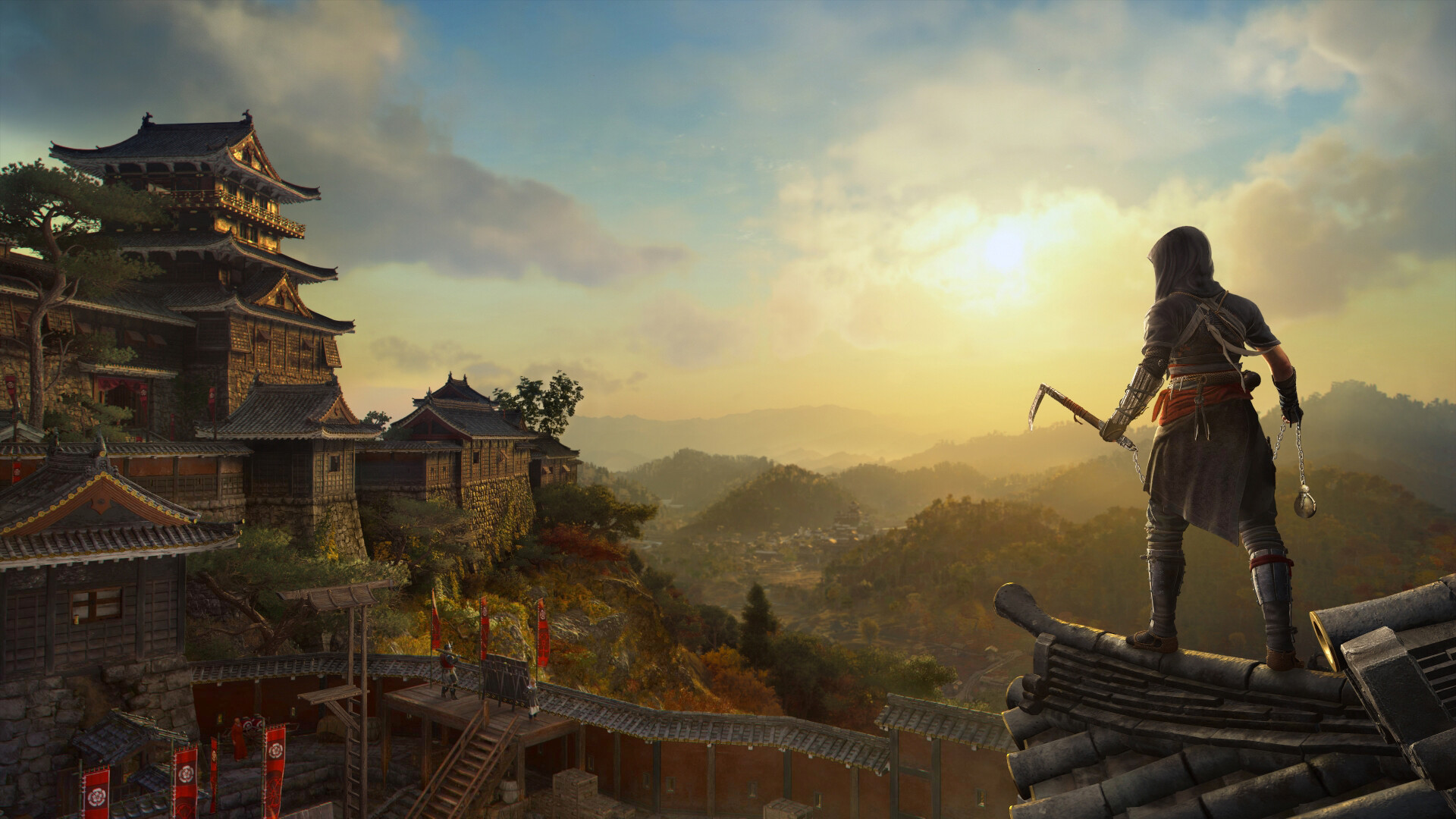
However, the echo of Assassin’s Creed still lingers. There are instances when an enemy AI has a moment of weakness, and an ‘top-tier’ guard is incapable of following your movement simply because a bush has blocked part of your view. The ‘RPG’ evolution of stats is still here—I can feel the difference between a Level 2 and 5 katana—but I crave scenarios where checks rely purely on skill. Will the endgame fights be contingent on how fast action is executed and a +15% backstab damage applied instead of raw skill? The decision remains undetermined.
Is The Nightreign’s Map Design Genuinely Expansive or Artificially Restricted?
Yamatai’s expanse is beautiful on its own—every shrine lit by the moon and western thatched roofs are artistically beautiful like Ghost of Tsushima but lack the feeling of dread through interconnectivity found in Bloodborne. While the overall structure of the map is made of different icons, at least the side quests appear not to follow the greatest sins of Ubisoft’s sins of tower climbing and checklist revealing. As of now, I stumble across quiet story fragments—when a commoner makes a comment about a child who disappeared, I find myself in a cave overrun by bandits. Their leader utilizes a fighting style that is evocative of the kunai flourish moves Lady Butterfly makes use of. Is this perhaps a glimpse of environmental storytelling in Souls? Conceivably.
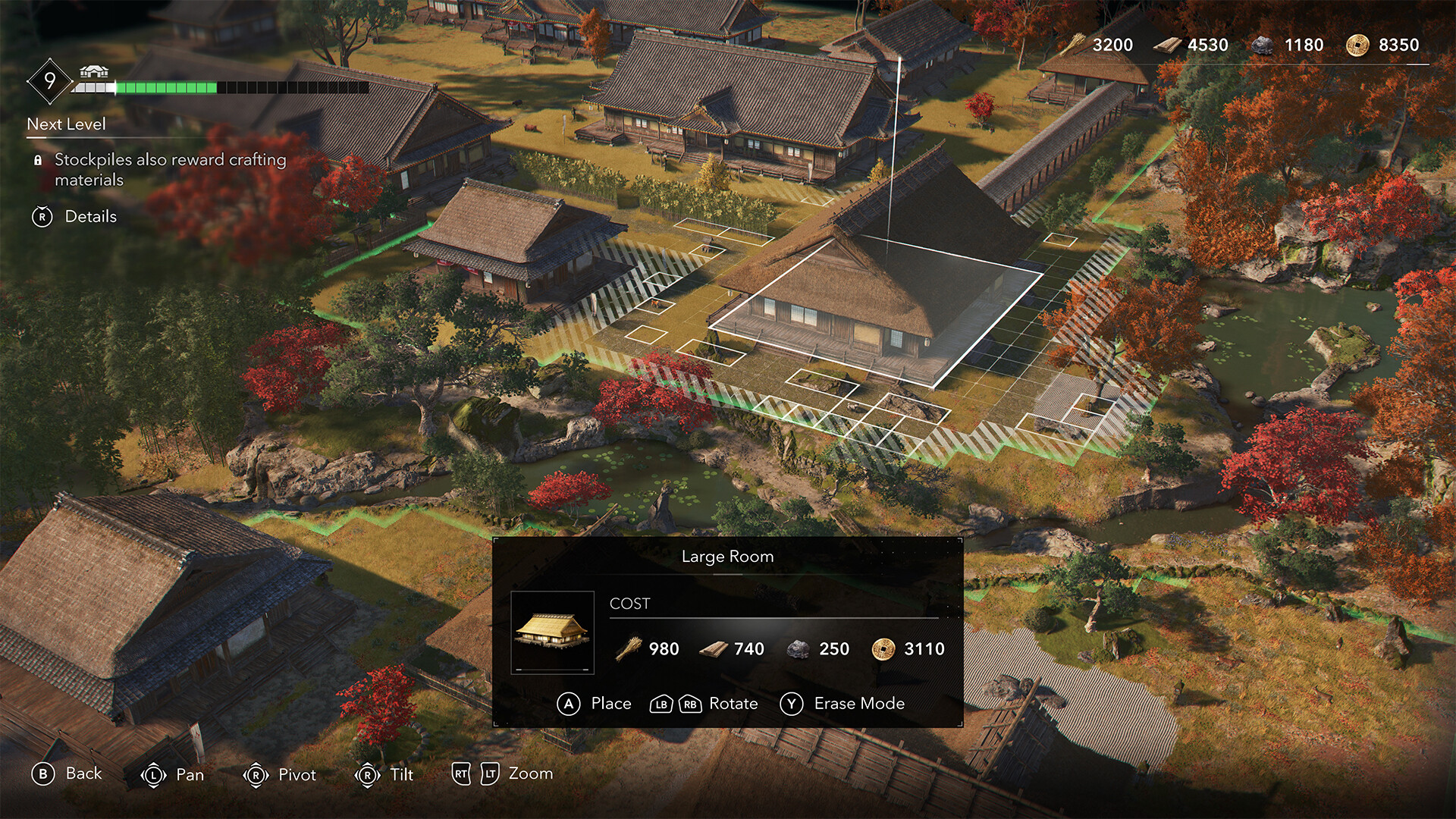
But that guiding wind is excruciatingly intrusive. The game brazenly babies you with gleaming markers for your next movement, as if to say you’d perish from ennui before finding a quest marker. If only I could toggle it off. I want to be allowed to languish in blissful ignorance until the truth shatters my delusions.
The Nightreign’s Saga: A Masterpiece of Lore or Generic Fantasy?
Here, Assassin’s Creed Shadows captures my attention. The voice acting captures Naoe’s shinobi theatrics and Yasuke’s foreigner burden, which are similar to Dark Souls 2’s broken mirrors, albeit with a lot more drama. The dialogue avoids Odyssey’s jarring modernity and embraces a more head-swaying mythical cadence. It avoids explaining the betrayal of a daimyo in an expositional fashion but reveals it through a bloodied letter, drawn and concealed in the ashes of a war camp. That’s the kind of lore I want—subtly ominous and ripe for storytelling woven into the tapestry of history without being too overbearing.
In any case, as an admirer of xbox best games, I long for the burden that choices entail. The stories integral to Soulsborne games are tragedies crafted long before—they have one narrative to follow, which is to watch; you have no control in the retelling. Each encounter is sprinkled with a hint of conversations and choices, but will they open up new paths or branches, or will it simply be more player customization to the same inevitable ending?
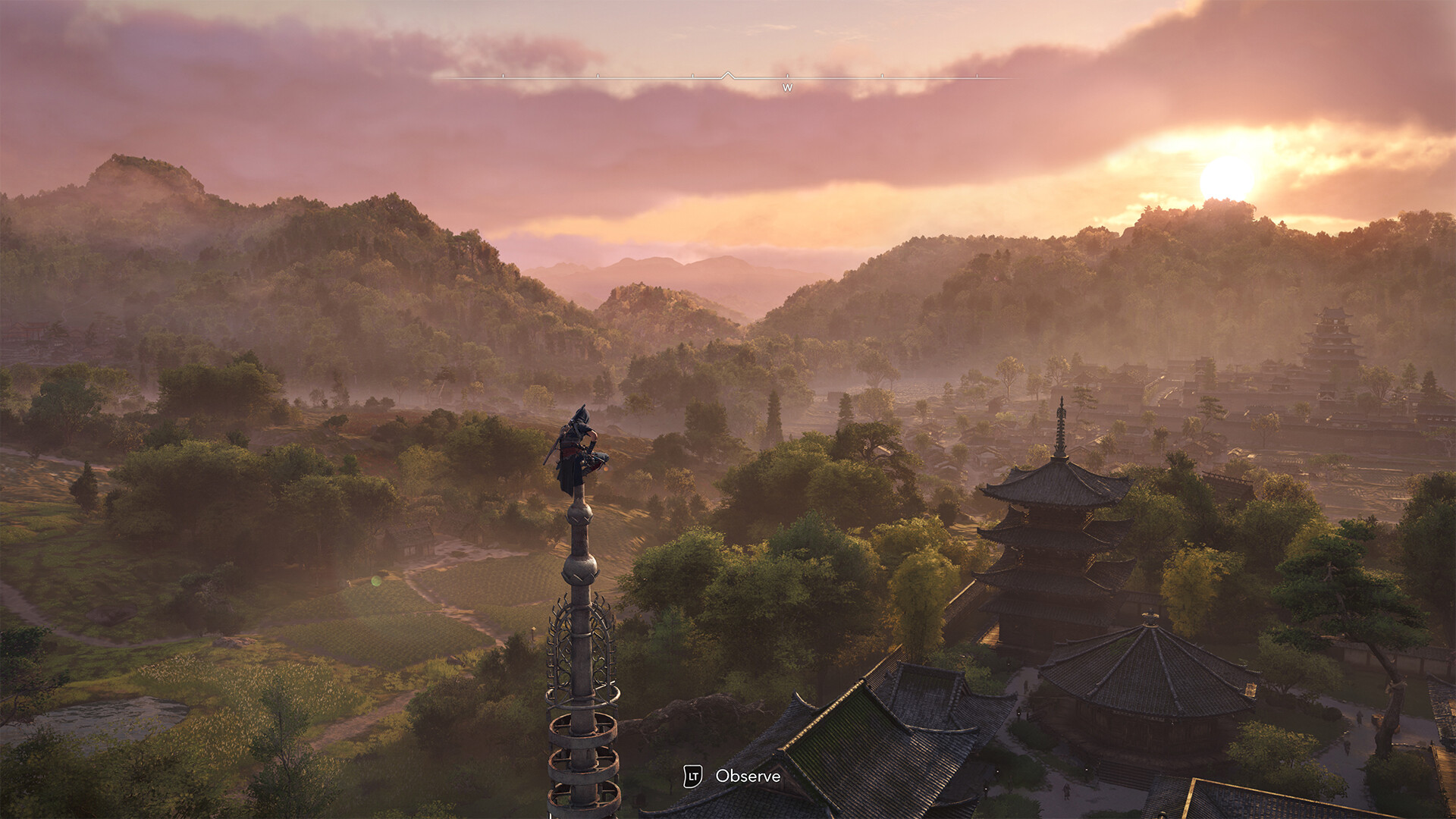
Initial Glance at The Nightreign: Does It Fulfill Expectations?
“It’s not here to dethrone Elden Ring—and it doesn’t need to be. But for the first time in years, Assassin’s Creed has my attention not as a mindless diversion but as a worthy competitor. The combat showed me a degree of respect. The world invites me to lose myself in it. If it can keep the balance between simplicity and artistry, Shadows might chisel its name into the list of worthy opponents. But tread lightly, Tarnished—this is not a Souls game. Keep your hopes in check and find a blade that can be gripped.”
Final Thoughts: “I’ll continue playing. Wary, yet trusting enough to proceed, Shadows is aiming for the kill. We will see if the blade draws blood.”
How do you see it, shadow hunters? Does the game deserve your attention, or does it scream advertisements for surface-level casual players? And should I attempt a no HUD, Level 1 run?