

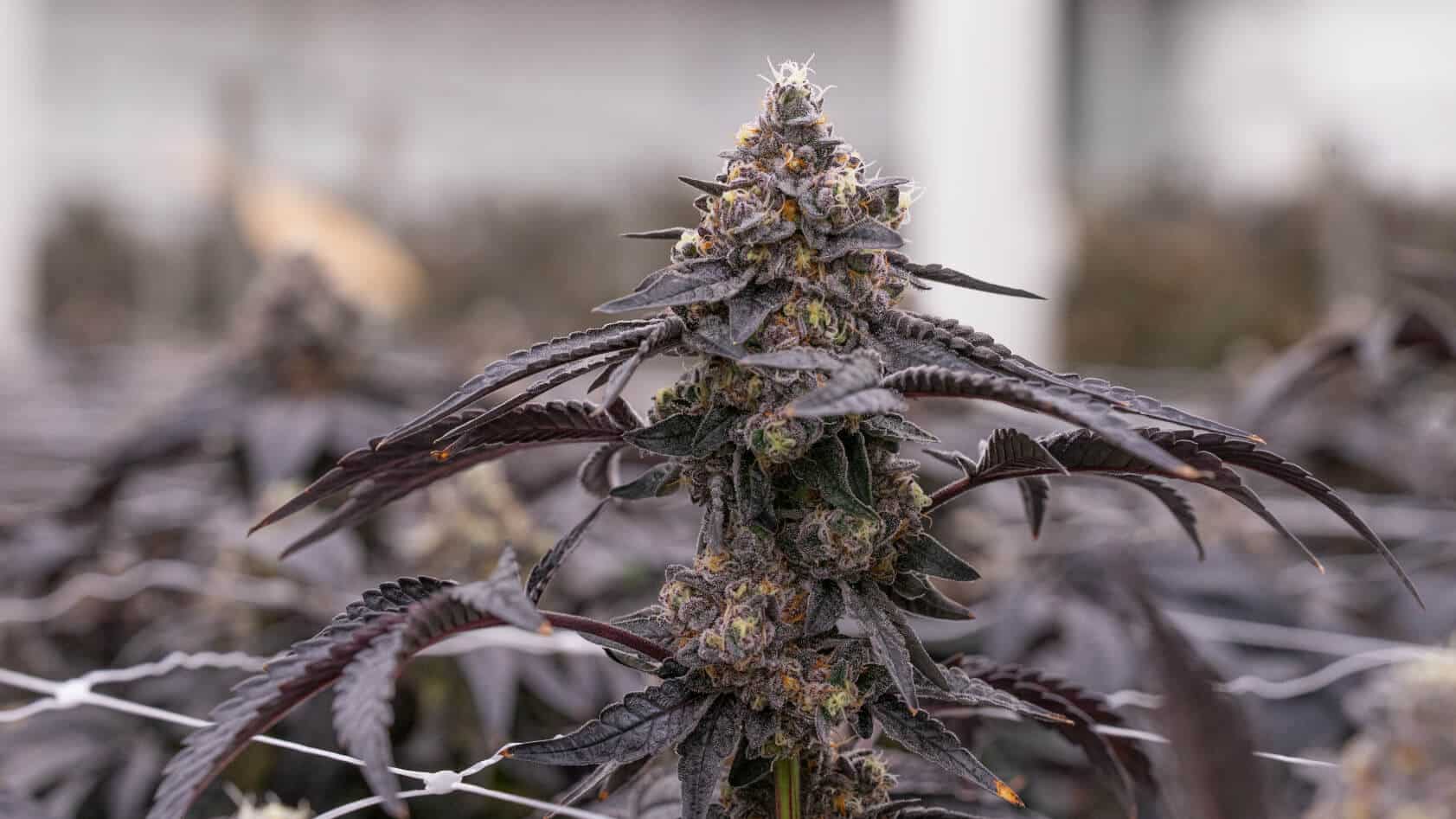
 Introduction
The way cannabis is classified today differs from traditional approaches. Traditional cannabis labels relied heavily on indica and sativa distinctions.Laboratory analysis has become an important tool for understanding cannabis classification.
What Is Cannabis Classification?
Scientists classify cannabis using genetic, chemical, and botanical information.
Common classification factors include:
Cannabinoid composition
Terpene profile
Genetic lineage
Plant morphology
Chemotype
Traditional Categories
The most widely recognized traditional categories are:
Indica
Traditional label
Historically associated with shorter, bushier plants.
Sativa
Traditional label
Historically associated with taller plants with narrower leaves.
Hybrid
Traditional label
Generally refers to plants with mixed genetic ancestry.
Modern research suggests that two products with the same strain name may still have different chemical characteristics.
Why Cannabinoids Matter
Cannabinoids are among the primary compounds used in modern cannabis classification.
Commonly studied cannabinoids include:
Cannabinoid
General Description
THC
Primary psychoactive cannabinoid
Non-intoxicating cannabinoid
CBG
Minor cannabinoid under active research
CBN
Minor cannabinoid often studied in aging products
CBC
Another minor cannabinoid being researched
The Role of Terpenes
Researchers study terpenes as part of the overall chemical profile of a cannabis product.
Examples include:
Myrcene terpene
Limonene terpene
Pinene
Linalool
Caryophyllene
Understanding Chemotypes
This approach provides a more standardized method of classification.
Common chemotype categories
Research-focused
Type I
THC-dominant
Higher THC relative to CBD
Type II
Balanced
More balanced THC and CBD levels
Type III
CBD-dominant
Higher CBD relative to THC
Why Laboratory Testing Is Important
Lab analysis helps verify cannabinoid and terpene content.
Testing may include:
Cannabinoid potency analysis
Terpene analysis
Pesticide testing
Heavy metals analysis
Microbial testing
Common Misconceptions
Myth vs. fact
Educational
Myth: All products with the same strain name are chemically identical.
Fact: Chemical composition can vary between products.
Myth: Indica and sativa labels always predict effects.
Fact: Research suggests cannabinoid and terpene profiles may provide more useful information.
Myth: Traditional strain names are standardized worldwide.
Fact: Naming conventions can vary among producers and jurisdictions.
Conclusion
Researchers now use a combination of cannabinoid profiles, terpene analysis, genetics, shop premium cannabis now and laboratory testing to classify cannabis more accurately.The field of cannabis science is moving toward more standardized and evidence-based classification methods.
FAQ
What is cannabis classification?
FAQ
Cannabis classification is the process of categorizing cannabis plants and premium marijuana products based on characteristics such as genetics, cannabinoid content, terpene profiles, and laboratory analysis.
What is the difference between indica, sativa, and hybrid?
FAQ
Traditionally, these terms referred to different plant types and genetic backgrounds. However, researchers note that they do not always accurately predict a product’s chemical composition.
What is a chemotype?
FAQ
A chemotype is a classification based on the relative concentrations of cannabinoids, such as THC and CBD, within a cannabis product.
Why Here are 200 anchor text ideas for your dispensary site (information from www.Kepenk%20trsfcdhf.hfhjf.hdasgsdfhdshshfsh@forum.annecy-Outdoor.com) terpenes important?
FAQ
Terpenes contribute to a product’s aroma and flavor and are studied as part of the overall chemical profile of cannabis.
Why is laboratory testing used in cannabis classification?
FAQ
Laboratory testing provides objective measurements of cannabinoids, terpenes, and potential contaminants, helping researchers classify products more accurately.