

In a dramatic and closely watched development, a French-owned container ship has successfully passed through the strategically critical Strait of Hormuz—a route that has been largely restricted amid escalating geopolitical tensions in 2026. The transit marks a potential shift in the ongoing crisis that has disrupted global shipping, energy markets, and international diplomacy.
The vessel, operated by the French shipping giant CMA CGM, is among the first Western-linked ships to navigate the strait since Iran effectively tightened control over the passage following the outbreak of war earlier this year.
The Historic Transit: What Happened?


The French-owned container ship, identified as the CMA CGM Kribi, successfully crossed the Strait of Hormuz on April 2, 2026. According to ship-tracking data and multiple reports, the vessel sailed under a Maltese flag and carefully navigated through Iranian-controlled waters.
This transit is significant for several reasons:
- It is the first French-owned vessel to pass through the strait since the conflict escalated in late February 2026.
- It represents one of the first Western-linked commercial ships to make the journey amid the crisis.
- The ship reportedly signaled its identity as “Owner France” before entering the strait—possibly to indicate neutrality.
The vessel’s safe passage has sparked widespread speculation about changing diplomatic dynamics in the region.
Why the Strait of Hormuz Matters
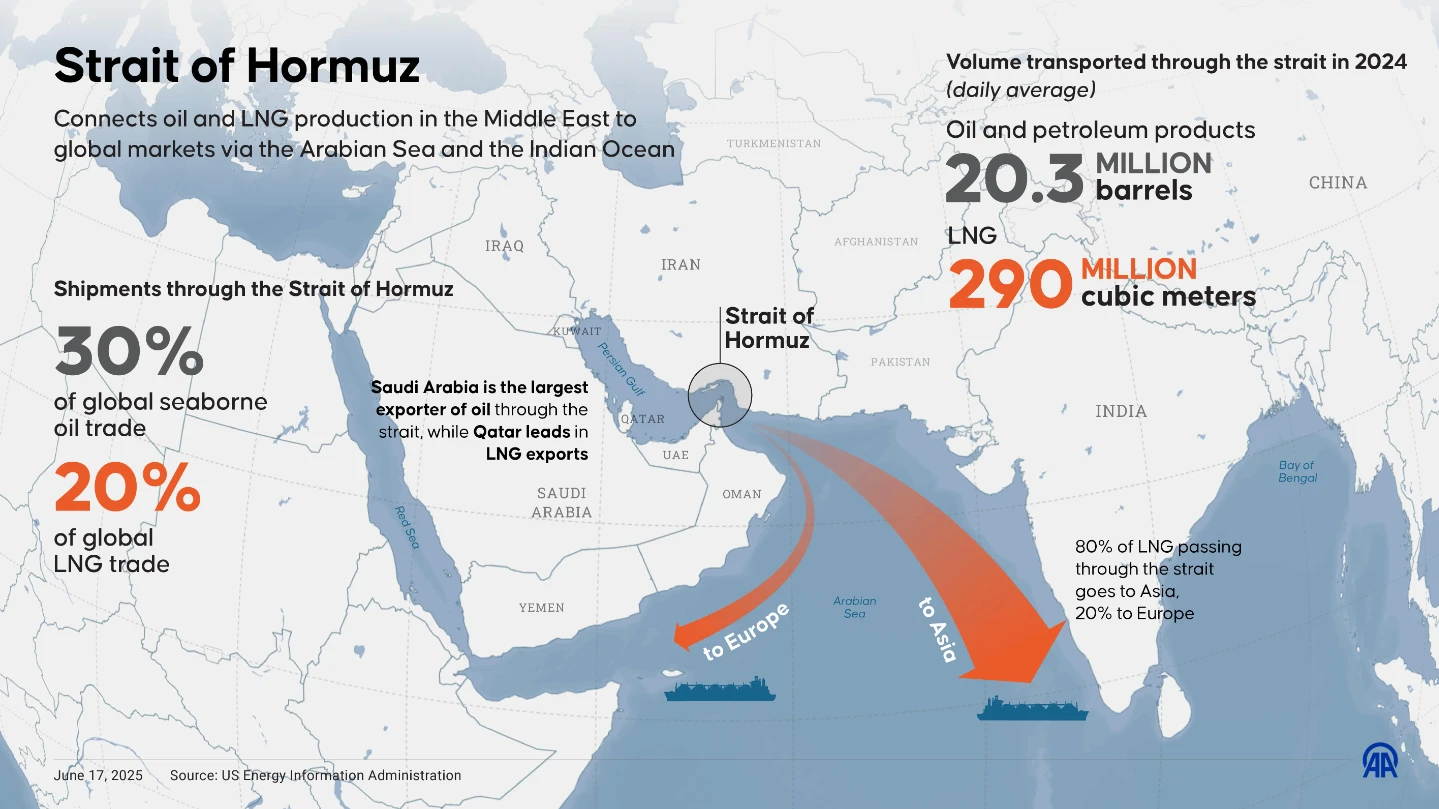
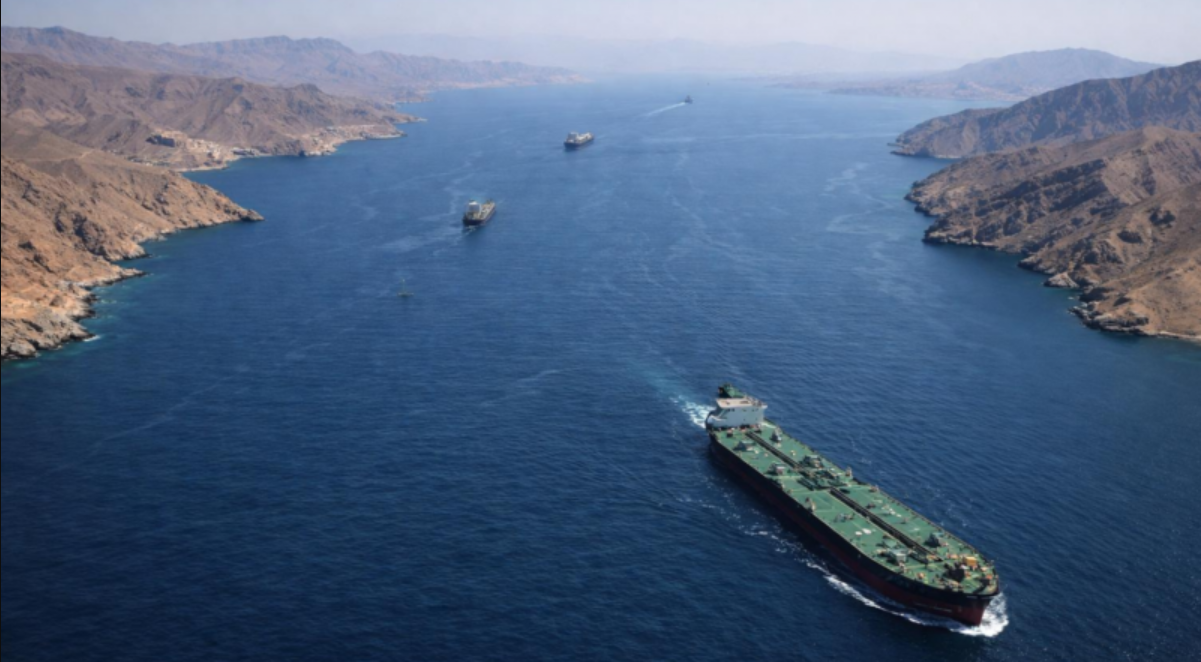

The Strait of Hormuz is one of the most critical maritime chokepoints in the world. Roughly 20% of global oil and gas supplies pass through this narrow waterway.
Key Facts:
- Connects the Persian Gulf to the Gulf of Oman
- Vital for oil exports from countries like Saudi Arabia, UAE, and Iraq
- Essential for global energy stability and supply chains
When disruptions occur in the strait, the effects ripple across global markets—impacting fuel prices, inflation, and even food security.
Background: The 2026 Strait of Hormuz Crisis
The current crisis began in late February 2026 following military strikes involving the United States and Israel targeting Iran. In response, Iran imposed strict control over the Strait of Hormuz, effectively limiting passage to select nations and vessels.
Key Developments:
- Maritime traffic dropped by over 90% in the early weeks of the conflict
- Only ships linked to countries like China, India, and Pakistan were initially allowed
- Several vessels were attacked or forced to turn back
- Insurance costs for shipping skyrocketed
This created a near-paralysis of one of the world’s most important trade routes.
Why Was the French Ship Allowed Through?
The successful passage of the French-owned ship has raised an important question: Why France?
1. Diplomatic Neutrality
France, under President Emmanuel Macron, has taken a more diplomatic approach to the conflict, emphasizing negotiations over military action.
This stance may have positioned France as a neutral or less hostile actor in the eyes of Iran.
2. Strategic Signaling
The ship reportedly altered its tracking data to highlight its French ownership before entering Iranian waters.
This move likely served as:
- A diplomatic signal
- A safety precaution
- A way to distinguish itself from U.S.- or Israel-linked vessels
3. Selective Access Policy by Iran
Iran has been allowing limited passage to vessels from countries it does not consider adversaries.
This selective approach enables Iran to:
- Maintain leverage over global trade
- Avoid complete economic isolation
- Control which nations benefit from transit access
Global Economic Impact
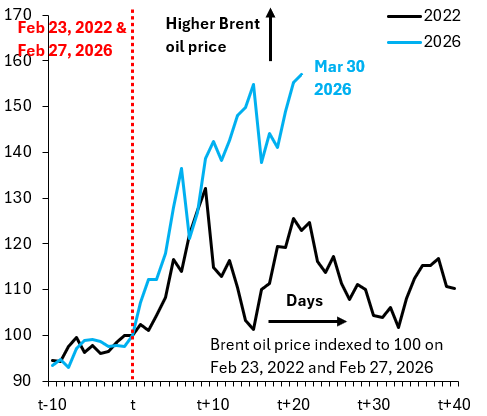

The Strait of Hormuz crisis has already had far-reaching economic consequences.
1. Oil Price Volatility
With reduced traffic through the strait:
- Oil prices surged above $100 per barrel
- Energy-importing countries faced increased costs
- Inflation pressures intensified globally
2. Supply Chain Disruptions
The blockage has impacted:
- Shipping schedules
- Fertilizer supply chains
- Manufacturing industries
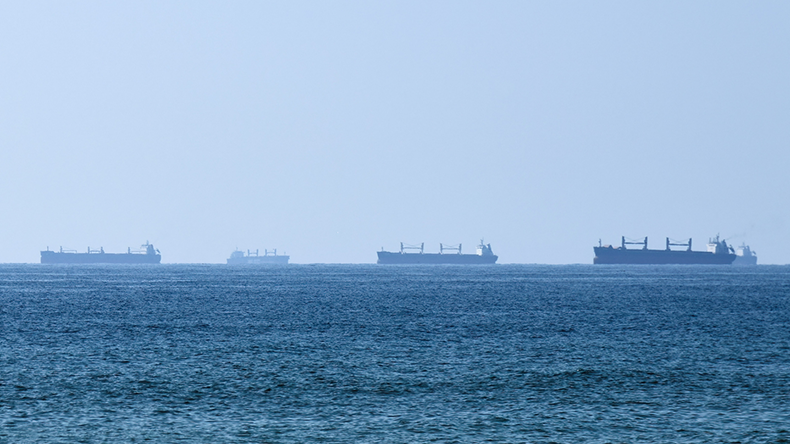
Global trade has slowed, with thousands of vessels stranded or rerouted.
3. Insurance and Shipping Costs
Shipping through the region has become significantly more expensive due to:
- War-risk insurance premiums
- Security concerns
- Increased operational risks
Broader Geopolitical Implications
The successful passage of a French-owned ship signals potential shifts in global diplomacy.
1. A Crack in the Blockade
While the strait is not fully open, the transit suggests a partial easing of restrictions.
2. Europe’s Role in the Crisis
France’s involvement highlights Europe’s attempt to:
- Mediate the conflict
- Maintain trade routes
- Avoid direct military escalation
3. U.S. and Allied Response
The United States has indicated it could take action to reopen the strait if necessary, emphasizing its strategic importance.
However, such actions carry significant risks of escalation.
Other Ships Following Suit
The French vessel was not alone. Several other ships have recently made the crossing:
- Japanese LNG carriers
- Omani-linked tankers
- Select vessels from neutral or uk news24x7 non-aligned nations
These movements suggest a gradual reopening trend, though still highly controlled.
Risks That Still Remain
Despite this breakthrough, the situation remains volatile.
Ongoing Threats:
- Military escalation
- Attacks on commercial vessels
- Political miscalculations
- Regional instability
Shipping companies remain cautious, and many are still avoiding the route.
What This Means for the Future of Global Trade
The successful transit of a French-owned ship could mark the beginning of a new phase in the crisis.
Possible Scenarios:
- Gradual Reopening
More countries gain access under strict conditions - Continued Selective Access
Iran maintains control and chooses who can pass - Full Escalation
Military intervention leads to wider conflict
Expert Insights
Analysts suggest that the passage of the CMA CGM vessel is less about logistics and more about geopolitics.
It reflects:
- Shifting alliances
- Strategic neutrality
- The power of maritime chokepoints
Conclusion
The passage of a French-owned ship through the Strait of Hormuz is more than just a shipping milestone—it is a powerful symbol of evolving geopolitical dynamics in one of the world’s most critical regions.
As tensions continue and global markets react, this event may serve as a turning point—either toward de-escalation and cooperation or further uncertainty and conflict.
For now, the world watches closely as one of the most vital arteries of global trade cautiously begins to reopen.