The two most common kinds of urinary system incontinence that impact ladies are anxiety incontinence and urge urinary incontinence, also called overactive bladder. This might be because maternity, giving birth, and menopause might make urinary incontinence more probable. Urinary incontinence is not a normal component of aging, and it can be dealt with. Pregnancy and giving birth are difficult on the body and can influence more than your uterus. The excess weight from your growing baby can tax your bladder and various other surrounding organs, often damaging the muscular tissues that manage pee flow, the pelvic floor muscular tissues.
No matter exactly how you really feel about it, you do not need to just handle it. Doing a couple of Kegels and putting on a bladder control pad as a back-up is a great strategy for managing leakages. This is because reproductive health and wellness events one-of-a-kind to females, like maternity, childbirth, and menopause, Clement impact the bladder, urethra, and other muscle mass that sustain these body organs. Some women experience a mix of stress and advise urinary incontinence, which is described as combined urinary incontinence.
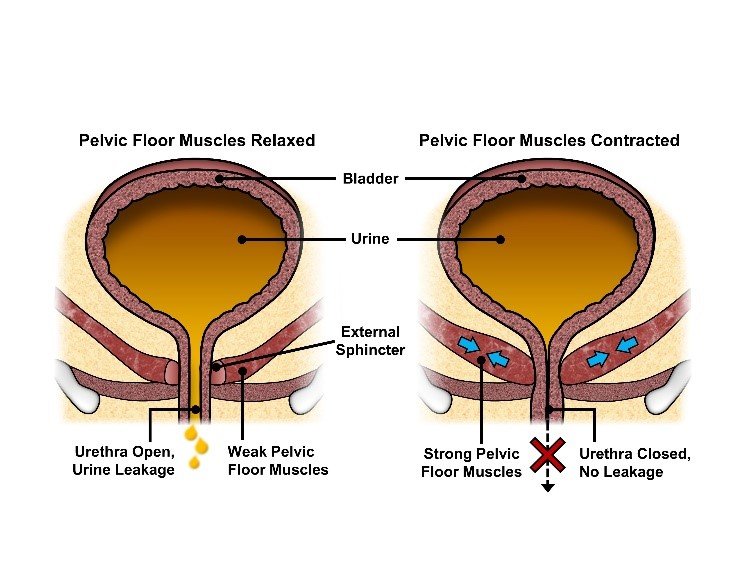
You might require short-lived help from incontinence drug or support gadgets to assist relax your bladder and control urine flow. Some gadgets, such as a pessary, can be put in the vagina to support the bladder and rectum and assist the bladder fully vacant. Other tools like bladder slings may likewise be surgically placed to deal with incontinence signs. You can blame this typical postpartum symptom on the pregnancy- and delivery-weakened muscular tissues around the bladder and pelvis, Meridith which might have a more challenging time controlling your flow after giving birth. Kegels function by strengthening the musculature of the pelvic floor, which gives the urethra something to press versus to avoid urine from coming out. The advised kegel program is 3 collections of eight-to-12 contractions held for eight-to-10 seconds each, three times a day.
What does a postpartum bladder prolapse seem like?
you have throbbing discomfort in your pelvic area or back. you have difficulty going to the commode. You may require to urinate a whole lot, have problem clearing your bladder or digestive tract, or urinate mistakenly.
What Are The Danger Factors For Maternity Incontinence?
This combination of the changes in the normal position of the bladder and urethra and the damaged nerve signals may interfere with the bladder function with resulting urine leak. Pelvic flooring muscle mass exercises, or kegels, are confirmed to assist incontinence– both while pregnant and after birth. In one research, women who educated their pelvic flooring muscles were 8 times more probable to report their urinary incontinence cured than those that did not. Thom et al. released a systematic testimonial with 33 researches on the occurrence of post-partum urinary incontinence.
Is Urinary Incontinence Usual During Pregnancy?
Bladder leak resulting from labor and distribution often tends to lessen after the muscles have actually had time to heal. Hold your horses and find out the steps you can take to make the process go quicker. These pelvic floor exercises target specific muscular tissues and features involved in bladder control to aid manage postpartum urinary system incontinence and prevent leaking urine and bladder problems after giving birth.
- Postpartum urinary system incontinence may not be a hot baby shower topic, yet leaking pee after childbirth is an usual experience that influences regarding one in three individuals postpartum.
- This allows the bladder, womb, rectum, and little intestinal tract to keep appropriate anatomical positioning against gravitational forces despite having dynamic body positioning adjustments.
- Resolving keystone areas motivating countervailing instability shields recovery.
- Encouraging treatment offers courage and sentence to move much better which transfers right into a favorable life overview.
- As children expand during pregnancy, they lower on your bladder, urethra, and pelvic flooring muscle mass.
Postpartum Urinary System Incontinence: Reasons, Therapies, And Pelvic Exercises For Relief
Recovering ideal mechanics, reliable movement patterns, and stability maintains you running without leakages. Extra treatments like restorative ultrasound and hormone-balancing light treatments enhance outcomes by nourishing tissues. Spending dedication right into proper progressive loading methods avoids long-term problems like pelvic body organ prolapse or recurrent leakage. With sufficient patience and wise pacing, you will reclaim your prebaby running bliss once more. Postpartum healing needs ample time for overstretched and traumatized tissues to remodel and enhance. Hurrying back right into extreme workout prematurely overstresses at risk locations, provoking reinjury and delaying recovery.
The huge bulk of women who deliver do not develop incontinence. Most of the times, the damages created by childbirth repair services itself with time as the tissues undergo the regular recovery process. Most of females experience no recurring effect within just a couple of months after childbirth.
If injury occurs, control of the anal muscular tissues might be partly lost, and incontinence of gas or feces might result. For these factors, it is probably best not to have a routine episiotomy at the time of distribution. Ladies require to discuss episiotomy with their medical professionals prior to simply click the up coming article infant schedules. Similarly, the muscle and connective cells that hold the rectum in its place under the vaginal canal may be deteriorated or torn by labor and shipment, which permits the rectum to bulge up right into the vagina. Words anal prolapse or rectocele are commonly used by medical professionals to explain these changes in the contour of the vaginal area. However, in the majority of females these adjustments recover and deal with within a couple of months without any therapy.
If you believe something in your diet regimen is making symptoms even worse, try tracking what you consume and noticing exactly how your bladder feels afterward. Progressively reducing or getting rid of presumed triggers can help you determine what jobs best for your body and support much better postpartum bladder control. Postpartum urinary incontinence is uncontrolled or unexpected loss of urine after maternity and giving birth.