

The Distraction Phenomenon – When Fighting is So Fun You Forget Why You Began
I dived into Shadows to settle scores with the villain who killed my sensei. Twenty hours later, I’m rolling in bad-guy guts, scribbling heron art, and losing sleep over how my hidden blade should look. That is the little magic trick Ubisoft pulls—once the fighting seems this tasty, even the dull chores feel like emergencies. You see a bandit camp while hunting your main target? It is not just another loot run; it is an opportunity to see if Naoe’s new poison-dart trick can drop six guys before anyone screams. Parkour stops being just fast travel and turns into an aggressive attack, letting you leap over a spear and plunge a tanto in the guy’s neck mid-air. I have ignored whole story missions because I wanted to find out if Yasuke can knock three foes off a cliff with one charged club swing.
Iron Waltz: Why Shadows’ Combat Feels Like Managed Anarchy
What really blows my mind about Assassin’s Creed Shadows is how it turns utter chaos into something you can anticipate. Naoe’s kusarigama doesn’t just swing – the chain tugs enemies around, hauling an archer close so Yasuke can flatten him flat. The parry timing is always precise but never unjust, and each weapon alters that tempo in its own way. If you parry a katana’s quick slash a split-second early, you will still get hit by the subsequent blow, yet that same marginally early block is very effective against a heavy odachi swing.
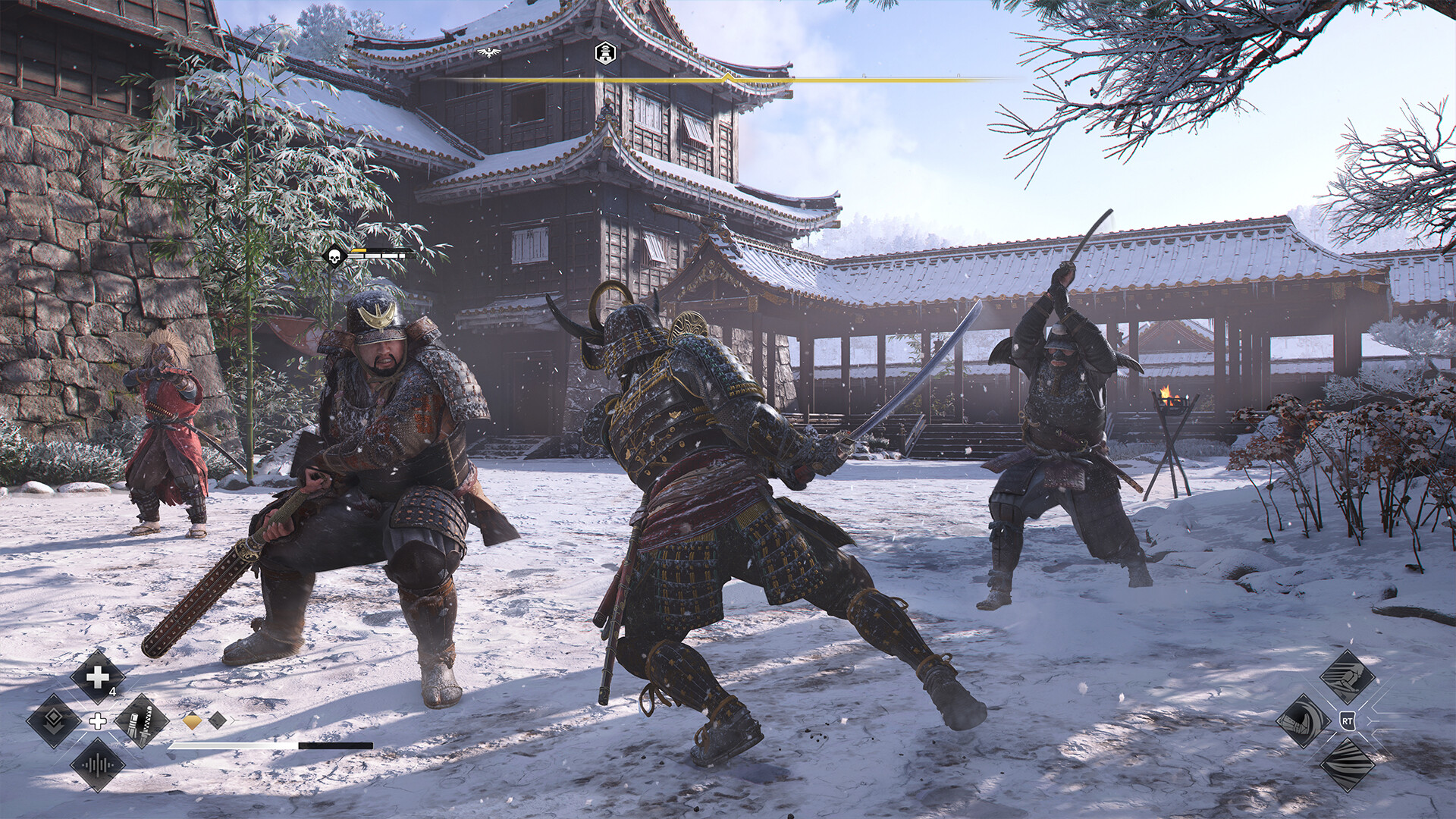
The first time I countered a spear thrust with a counter-kill, then dropped a smoke bomb and disappeared before his buddies understood what happened, I actually sprang out of my chair. This isn’t the stiff, unresponsive fighting older AC games delivered – every tap of the button hits with real heft, helping you feel more like a local and less like a tourist a storm on two legs.
Adrenaline-Fueled Combat That Nearly Nixes the Power Fantasy (But Not Quite)
If you buy Xbox games, before anything else: once the blades are out and the noise kicks in—think of Naoe ducking under an arrow to pierce a guy or Yasuke smashing through three spearmen and cracking helmets—it really does feel almost perfect. AC Shadows blends that flowing, fight-like-a-movie sensation you get in Sekiro or Ghost of Tsushima with the traditional stealth-to-attack shift of Assassin’s Creed, and it merges way better than I expected. Weapon moves look slick too, especially when I’m running Naoe’s twin tantos; rapid cuts, smart parries, and bloody finishers feel extra gratifying because the chaos around me makes each one a small achievement.
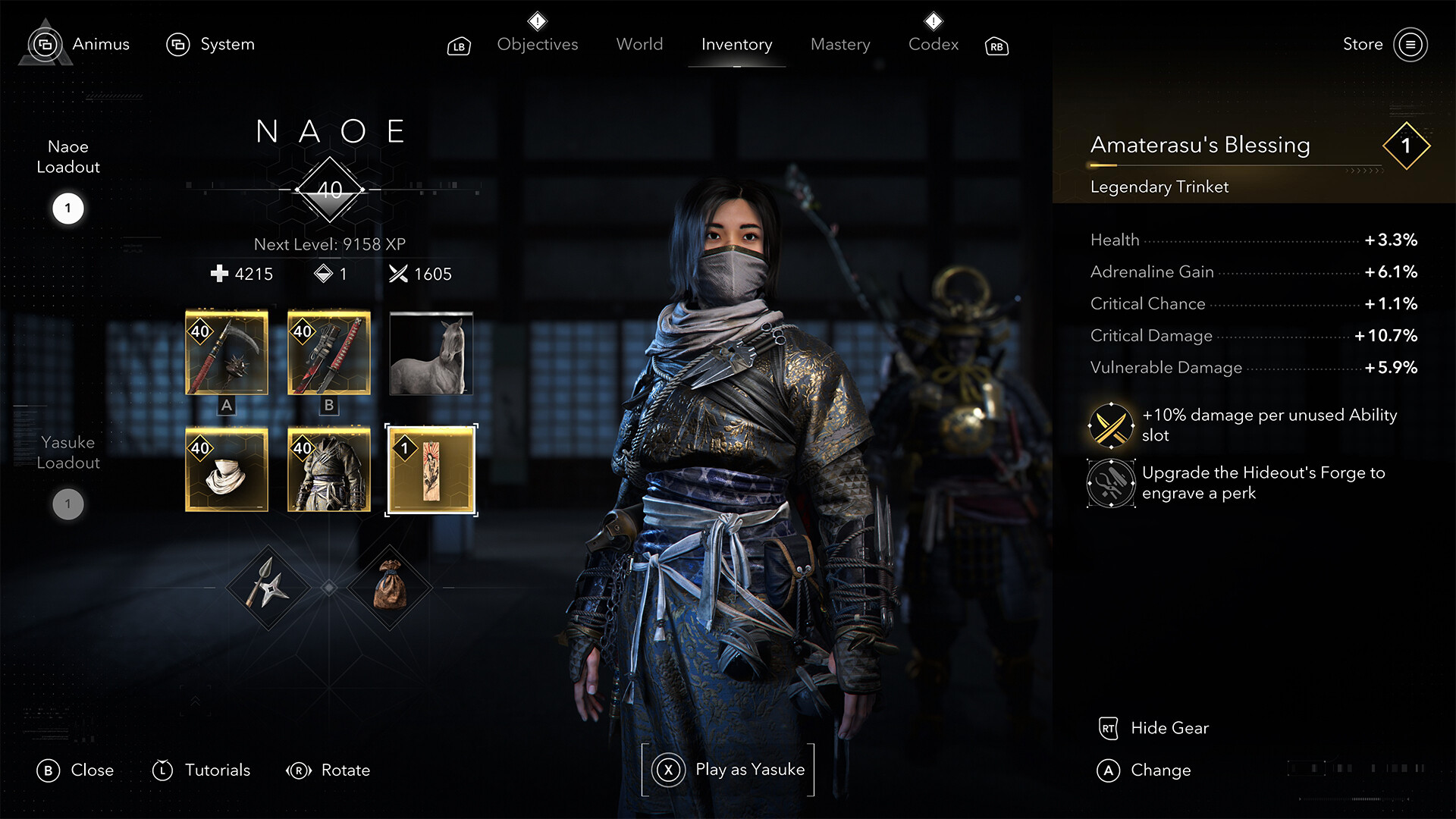
But here’s the reality: the game aims you to feel like a complete legend, and occasionally you do, then unexpectedly, it makes a decision that trips up you up. Consider Naoe, for instance. She can only wield two of her three weapons, so every time you switch gear, you have to stop and pick. I get the idea; it maintains things organized and stops loadouts from ballooning into inventories. Yet, when a job shifts from sneaking onto a roof to fighting in the street to avoiding a patrol on a charging horse, that small rule starts to grate. Three unique weapons, each intended for a particular situation, would have stacked more alternatives on top of the selections we already have. Instead, the game teases that flexibility in your face and shuts the door right before you walk through.
Stealth as Naoe is Assassin’s Creed’s Finest Blade Yet
Here we come to the section where Assassin’s Creed Shadows divides the opposition clean in half: using sneak with Naoe. Ubisoft has at last mastered the electric tension, the tight wait, and the satisfying execution of a silent kill. If you love action games but still crave those calculated precise moments instead of nonstop explosions, Naoe’s loadout seems like paradise. Hidden in the AC Shadows, her moves slide together, the enemy patrols rely on sight and sound for once, and the whole gameplay culminates to the most polished, most lethal stealth the series has ever served. End of story.
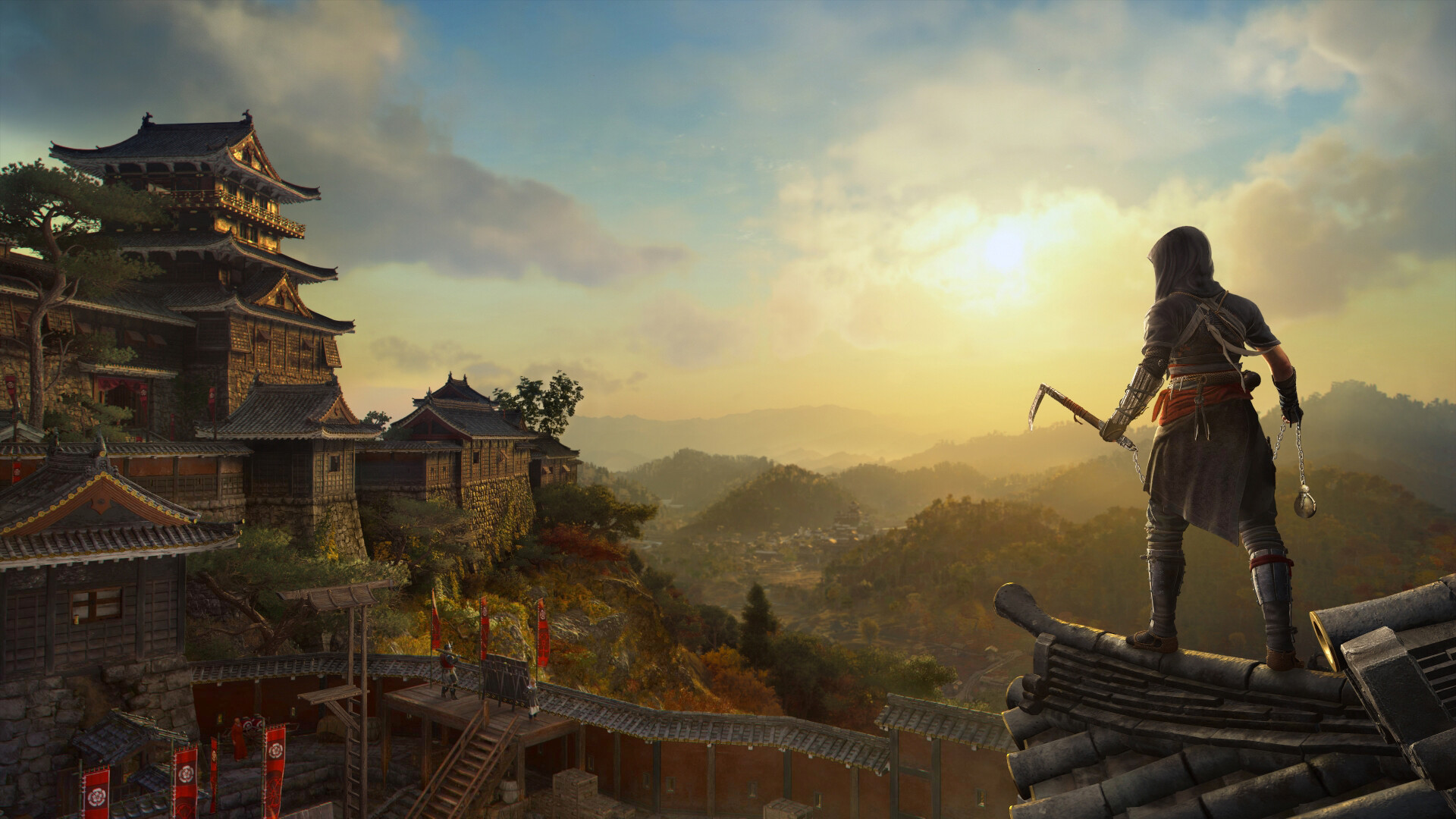
Sneaking past guards at night, observing them through a delicate shoji screen, then moving in with only a steady breath and a gleaming blade is still one of the most awesome feelings a game can offer. That urge to exceed the edges never wanes, so I poke around for cracks, oddities, and strange holes in the system. Of course, I’ve seen those absurd glitch clips—the smoke cloud that shifts through brick, or the teleport that drops you behind a boss—but they barely come up in regular hours. Most of the time, the game remains solid, and you only discover an exploit if you really search for it.
Even the new survey system, which exchanges out the old bird-drone buddy, makes you approach the map like a genuine ninja tool instead of a GPS crutch. Instead of predictably following a highlighted route, you get a name, a general compass point, and then it’s on you to work the rest together. That shift feels fresh and engaging if you buy PS5 games. Sort of immerses you deeper into the world, and at last shows that the team have faith in players to be smarter than a rock. With these last words about Assassin’s Creed Shadows, the latest release of my beloved franchise, I let you play the game.