

Ultimately, Northern Ireland’s court structure represent a resilient and independent part of the UK’s justice framework. They ensure that everyone involved in a case, including witnesses, legal representatives, and defendants, is in the right place at the right time.
Education and training is offered through institutions such as Queen’s University Belfast and Ulster University.
By performing their duties with professionalism and dedication, law courts staff in the UK help guide maintain a fair, transparent, and effective legal system. It has a vital role in interpreting legislation and ensuring consistency in legal judgments across the region.
Their role also includes helping to organize courtrooms for the proceedings and ensuring that any documents or evidence are appropriately handled. Northern Ireland also has a separate legal system that closely resembles that of England and Wales but includes its own legal institutions.
The facilities in High Courts are typically more sophisticated than those found in lower courts.
Without the dedicated work of these professionals, the court system would struggle to function, and delays and inefficiencies would undermine public confidence in the justice system. High courts serve as the highest level of court in the UK and deal with significant civil and criminal matters, as well as appeals from lower courts.
Courtrooms and other areas are built to be accessible for people with mobility challenges, with ramps, lifts, and seating arrangements that ensure everyone can participate fully in the legal process. These universities provide specialised legal training with a focus on both UK-wide and Northern Ireland-specific law.
In conclusion, law courts staff in the UK provide an essential service to the judicial system, ensuring that the wheels of justice turn smoothly.
While legal advisers do not make rulings themselves, their expertise ensures that judges and magistrates have all the relevant information to make informed decisions. County courts are generally smaller than Crown Courts but still provide appropriate facilities to ensure that civil matters are resolved fairly.
Court ushers are responsible for managing the physical environment of the courtroom.
While closely tied to the broader UK legal system, Northern Ireland’s courts maintain their own procedures, legislation, and judicial oversight, reflecting the region’s unique identity.
The judiciary plays a critical role in maintaining public trust and enforcing the rule of law.
This court reviews cases for legal errors and can overturn or affirm decisions from the lower courts.
Courts also provide specialized equipment, such as hearing loops and sign language interpreters, to ensure that those with hearing impairments can follow proceedings without difficulty.
Legal advisors by providing expert legal guidance. Judicial independence in Northern Ireland is safeguarded by both local institutions and the broader UK framework. Their work behind the scenes is often overlooked, but it is crucial to the efficient and fair administration of justice.
The Lord Chief Justice of Northern Ireland is the head of the judiciary and is responsible for ensuring the efficient operation of the courts and upholding judicial standards.

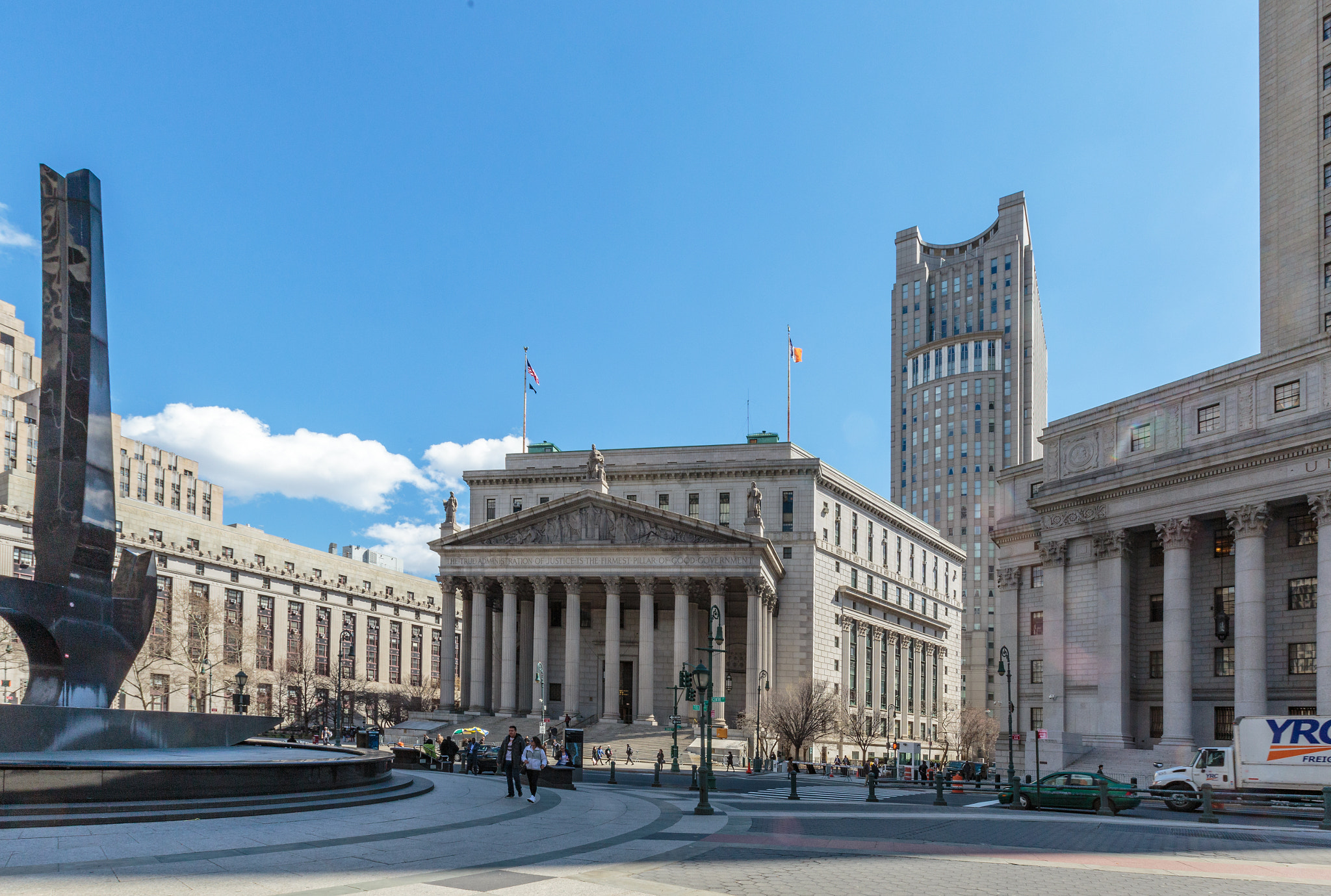
The High Court is often housed in grand historic buildings, reflecting the importance of the cases it handles. High Court facilities are designed to accommodate high-profile and complex cases, including commercial disputes, judicial reviews, and cases involving significant sums of money. These courts are equipped with private consultation rooms for parties to discuss the case with their lawyers, waiting areas for the public, and facilities for filing legal documents.
Ushers may call cases into the courtroom, assist witnesses in taking the stand, and maintain order during hearings. Judges are appointed by the Northern Ireland Judicial Appointments Commission and are expected to be neutral and unbiased, especially given the region’s complex political history.
They also offer guidance to court staff and help guide ensure that legal proceedings are conducted according to the law.
In some courts, particularly family courts, legal advisers may assist judges and magistrates in interpreting the law and advising on appropriate legal procedures.
The Northern Ireland courts deal with both civil and criminal matters, and the top court remains the final court of appeal. They include multiple courtrooms, advanced audiovisual systems, secure holding areas, and areas for the press and public to observe proceedings.
Appeals from the High Court and Crown Court are taken to the Court of Appeal in Northern Ireland.