

The Federal Bureau of Investigation (FBI) has issued a stark warning to millions of smartphone users worldwide: some apps on your iPhone or Android device could be quietly harvesting your personal data, exposing your contacts, and even putting your identity at risk.
This isn’t just another routine advisory. It reflects a growing global concern about mobile security, data privacy, and the hidden risks lurking behind seemingly harmless apps.
We’ll break down:
- What the FBI warning actually says
- Which apps are under scrutiny
- Why these apps are dangerous
- How your data could be exposed—even if you didn’t install them
- And most importantly, how to protect yourself right now
🚨 FBI Warning Explained: What’s Happening?
The FBI recently released a public service announcement cautioning users of both iOS and Android devices about “foreign-developed apps” that may pose serious data security risks.
According to the agency, these apps can:
- Collect extensive personal data
- Access contacts, messages, and location
- Continue gathering data even when not actively used
- Store information on overseas servers
Once permissions are granted, the FBI warns, apps can “persistently collect data… not just while the app is active.”
Even more alarming?
Your data might be exposed even if you never installed the app yourself.
📱 Apps Under Scrutiny: Which Ones Are Being Flagged?

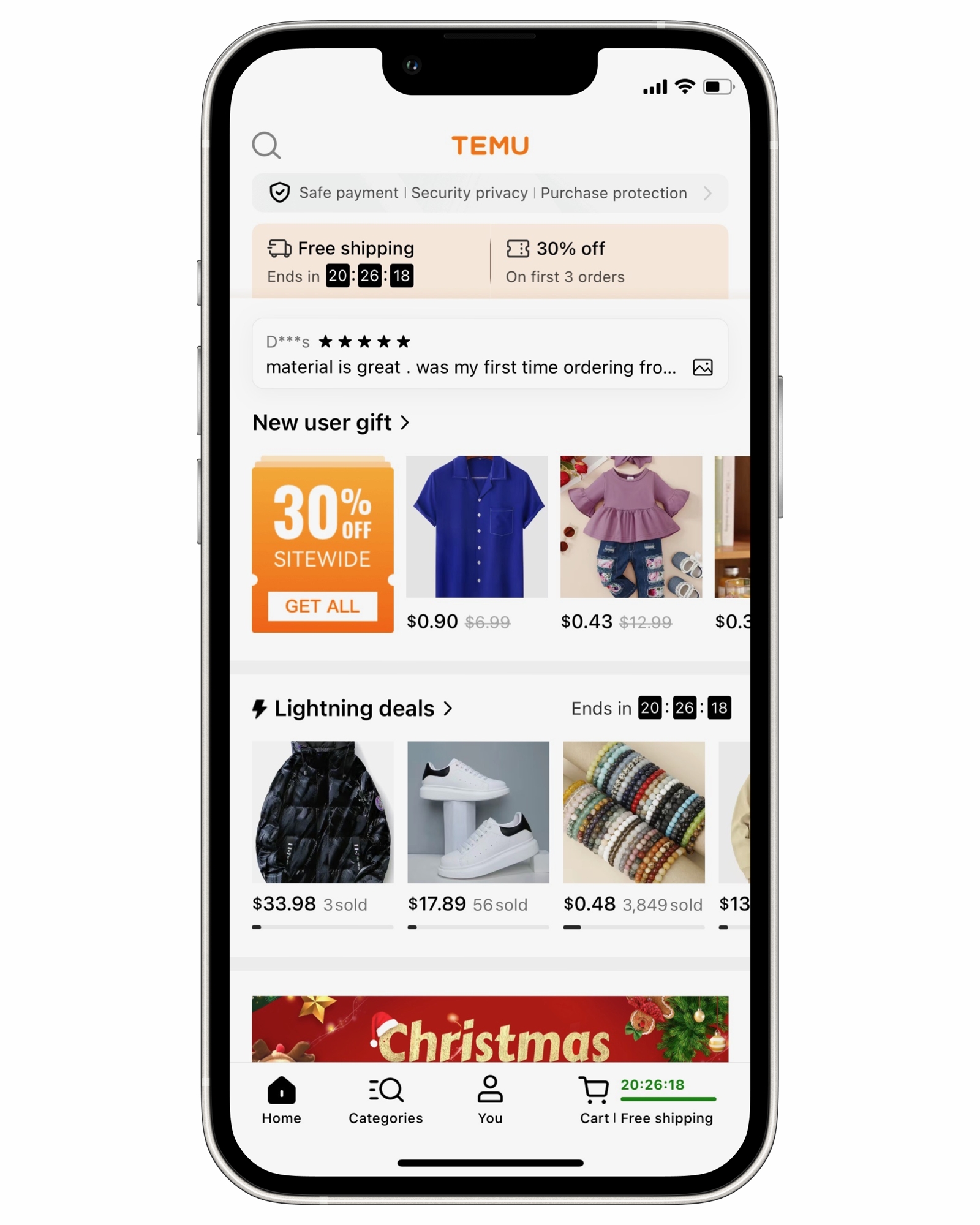
While the FBI did not officially publish a blacklist, multiple reports and analysts have identified popular apps linked to potential risks, including:
- CapCut (video editing app)
- Temu (shopping platform)
- SHEIN (fashion retail app)
- Lemon8 (social media app)
These apps are widely used globally and often rank among the most downloaded.
However, concerns stem from how they handle user data and where that data is stored.
The key issue is not necessarily the apps themselves—but their potential connections to foreign data laws and uk news24x7 data access policies.
🔍 Why These Apps Could Be Dangerous
1. Massive Data Collection
Many apps request permissions that go far beyond what’s necessary, including:
- Access to contacts
- Camera and microphone
- Location tracking
- File storage
Once granted, this data can be continuously collected in the background.
2. Data Stored Overseas
The FBI warns that data collected by some apps may be stored in countries with laws allowing government access.
This raises serious concerns about:
- Surveillance
- Data profiling
- National security risks
3. You’re at Risk Even If You Don’t Use Them
Here’s the shocking part:
If someone in your contacts installs a risky app and grants permissions, your personal information (name, phone number, email) could still be collected.
That means:
- Your privacy depends on others’ security habits
- Data exposure can happen indirectly
4. Hidden Background Activity
Some apps continue running silently, collecting:
- Usage behavior
- Device information
- Network activity
This can lead to:
- Battery drain
- Increased data usage
- Suspicious device behavior