

The Federal Bureau of Investigation (FBI) has issued a stark warning to millions of smartphone users worldwide: some apps on your iPhone or Android device could be quietly harvesting your personal data, exposing your contacts, and even putting your identity at risk.
This isn’t just another routine advisory. It reflects a growing global concern about mobile security, data privacy, and the hidden risks lurking behind seemingly harmless apps.
We’ll break down:
- What the FBI warning actually says
- Which apps are under scrutiny
- Why these apps are dangerous
- How your data could be exposed—even if you didn’t install them
- And most importantly, news24x7 how to protect yourself right now
🚨 FBI Warning Explained: What’s Happening?
The FBI recently released a public service announcement cautioning users of both iOS and Android devices about “foreign-developed apps” that may pose serious data security risks.
According to the agency, these apps can:
- Collect extensive personal data
- Access contacts, messages, and location
- Continue gathering data even when not actively used
- Store information on overseas servers
Once permissions are granted, the FBI warns, apps can “persistently collect data… not just while the app is active.”
Even more alarming? Your data might be exposed even if you never installed the app yourself.
📱 Apps Under Scrutiny: Which Ones Are Being Flagged?

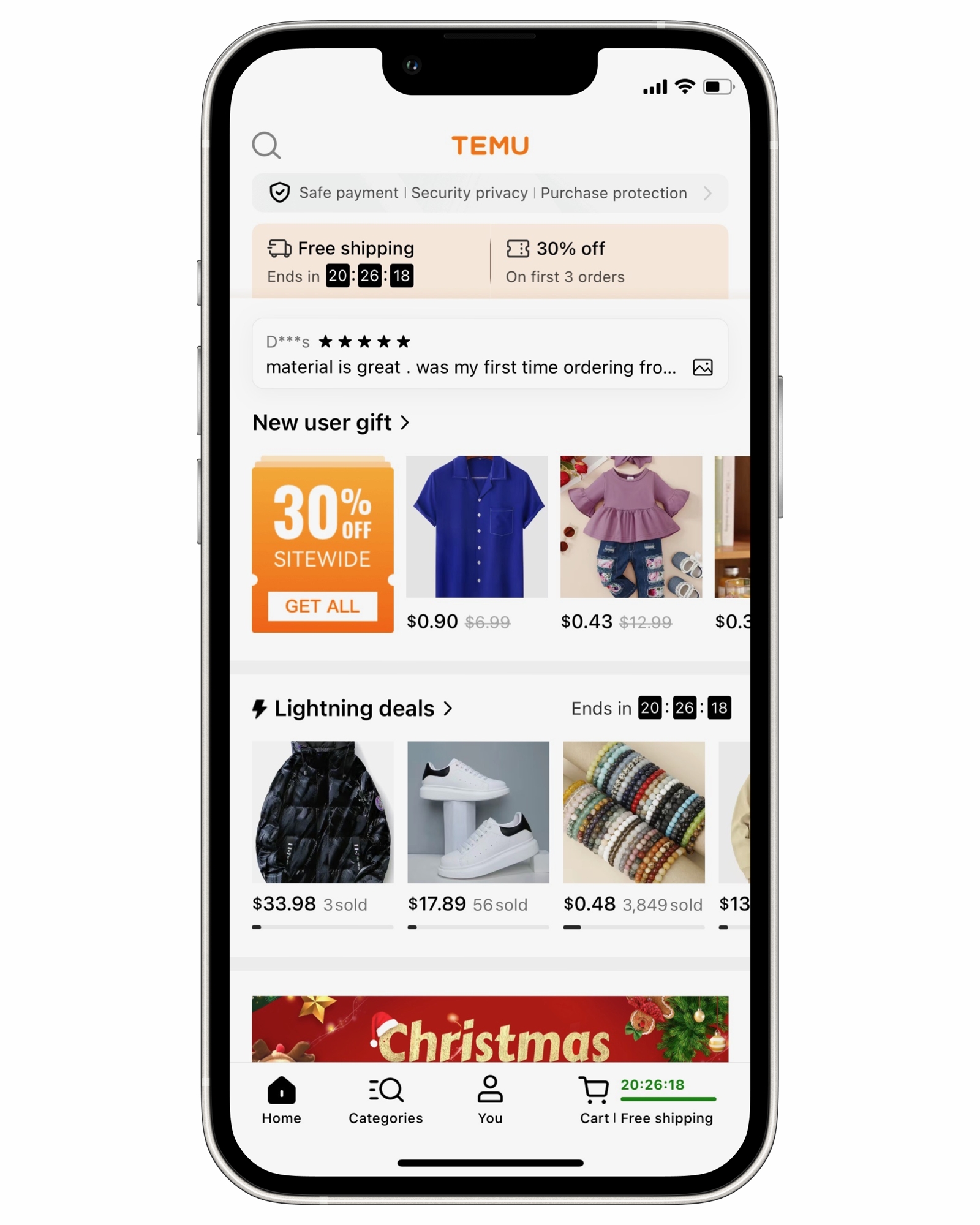
While the FBI did not officially publish a blacklist, multiple reports and analysts have identified popular apps linked to potential risks, including:
- CapCut (video editing app)
- Temu (shopping platform)
- SHEIN (fashion retail app)
- Lemon8 (social media app)
These apps are widely used globally and often rank among the most downloaded. However, concerns stem from how they handle user data and where that data is stored.
The key issue is not necessarily the apps themselves—but their potential connections to foreign data laws and data access policies.
🔍 Why These Apps Could Be Dangerous
1. Massive Data Collection
Many apps request permissions that go far beyond what’s necessary, including:
- Access to contacts
- Camera and microphone
- Location tracking
- File storage
Once granted, this data can be continuously collected in the background.
2. Data Stored Overseas
The FBI warns that data collected by some apps may be stored in countries with laws allowing government access.
This raises serious concerns about:
- Surveillance
- Data profiling
- National security risks
3. You’re at Risk Even If You Don’t Use Them
Here’s the shocking part:
If someone in your contacts installs a risky app and grants permissions, your personal information (name, phone number, email) could still be collected.
That means:
- Your privacy depends on others’ security habits
- Data exposure can happen indirectly
4. Hidden Background Activity
Some apps continue running silently, collecting:
- Usage behavior
- Device information
- Network activity
This can lead to:
- Battery drain
- Increased data usage
- Suspicious device behavior
5. Potential Malware Risks
In some cases, malicious apps can:
- Install hidden backdoors
- Download additional harmful software
- Steal passwords and sensitive data
The FBI warns that apps from unofficial sources are especially risky, as they may contain embedded malware.
⚠️ Real-World Cyber Threats Are Rising
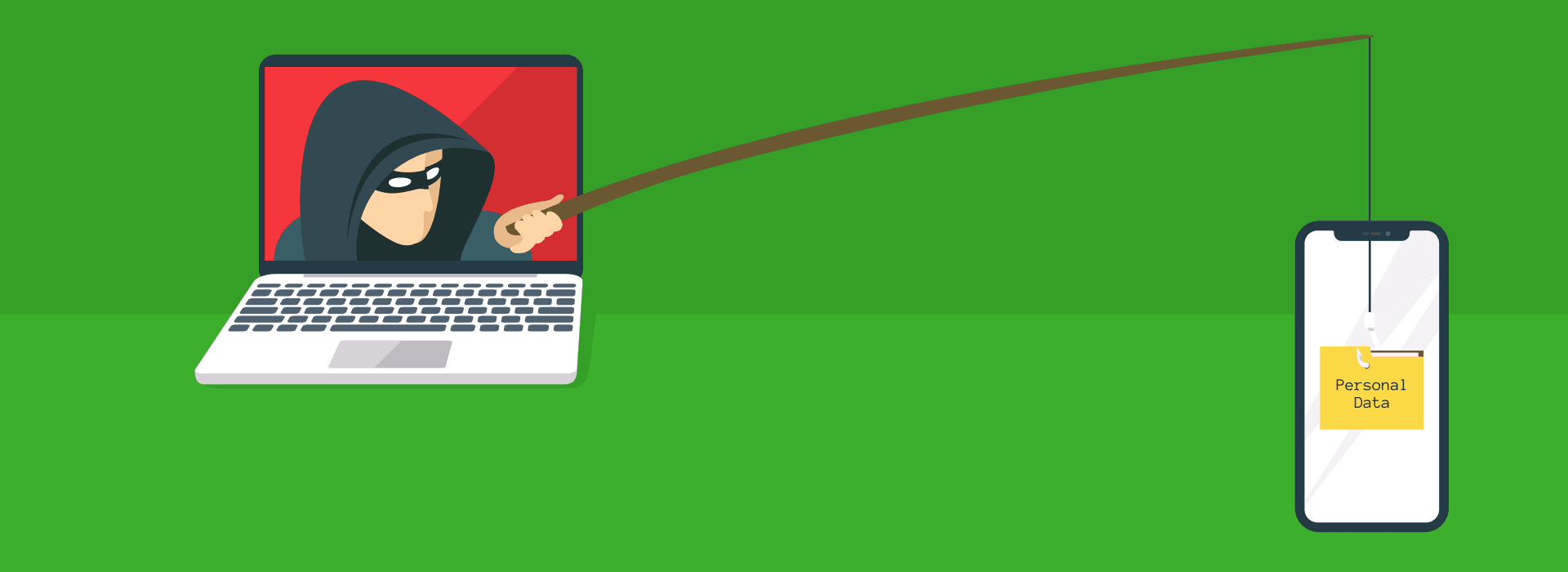
This warning comes amid a surge in mobile cyber threats, including:
- Malware affecting millions of Android devices
- Spyware capable of accessing encrypted messages
- Fake apps impersonating trusted brands
In one recent case, over 50 malicious apps infected millions of devices with persistent malware.
Cybercrime is evolving fast—and smartphones are now a primary target.
🔐 FBI’s Official Advice: How To Stay Safe
The FBI strongly recommends adopting better “cyber hygiene.” Here’s what you should do immediately:
✅ 1. Only Download Apps From Official Stores
Stick to:
- Apple App Store
- Google Play Store
Avoid third-party downloads or “sideloading,” which carries significantly higher risk.
✅ 2. Review App Permissions Carefully
Before installing:
- Ask: Does this app really need this access?
- Deny unnecessary permissions
✅ 3. Delete Apps You Don’t Trust
If an app seems suspicious:
- Remove it immediately
- Revoke permissions
✅ 4. Keep Your Device Updated
Security updates patch vulnerabilities that hackers exploit.
✅ 5. Monitor Your Phone for Warning Signs
Watch out for:
- Unusual battery drain
- Overheating
- Strange pop-ups
- Increased data usage
✅ 6. Use Strong Passwords and Security Tools
- Enable two-factor authentication
- Use trusted security apps
📊 Why This Matters More Than Ever
Smartphones are no longer just communication tools—they store:
- Banking details
- Personal photos
- Private conversations
- Work-related data
A single compromised app can expose your entire digital life.
The FBI’s warning highlights a broader reality:
👉 Your biggest security risk may already be sitting on your home screen.
🌍 Global Implications of the FBI Warning
Although issued in the United States, this warning affects users worldwide—including the UK, Europe, and beyond.
Why?
Because:
- These apps are globally available
- Data flows across borders
- Cyber threats are international
This is not just a tech issue—it’s a global privacy crisis.
🧠 Expert Insight: It’s Not About Panic—It’s About Awareness
It’s important to understand:
- Not every popular app is dangerous
- But blind trust is risky
The real takeaway is:
✔ Be selective
✔ Be informed
✔ Be cautious
🔎 Key Takeaways
- The FBI warns that certain apps can collect and store sensitive data
- Popular apps like CapCut, Temu, and SHEIN are under scrutiny
- Your data can be exposed even if you don’t install the app
- Malware and spyware threats are increasing rapidly
- Strong cybersecurity habits are essential
📅 Source & News Timing
- FBI Public Service Announcement: March 31, 2026
- Major media coverage: April 4–6, 2026
🛑 Final Word: Should You Delete These Apps?
Not necessarily—but you should review them immediately.
Ask yourself:
- Do I trust this app?
- Does it really need my data?
- Is it worth the risk?
Because in 2026, data is more valuable than ever—and more vulnerable than ever.