

In the world of luxury watch clones, every detail matters. While many focus on the mechanism or the face, the case treatment often goes overlooked—even though it is one of the most telling indicators of craftsmanship and legitimacy. A well-finished case does more than look good; it conveys meticulous attention to detail and reverence for the original. High-end replicas aim to mirror the craftsmanship of iconic horological pieces, and the case is where that effort becomes unmistakably evident.
The case of a watch is its frame, the foundation that holds everything together. In genuine luxury watches, the case undergoes a series of meticulous treatments—polishing, brushing, beveling, and sometimes even hand engraving. Each surface is treated with customized equipment and expert protocols to achieve the right contrast and reflection. A high-end replica that bypasses the process or uses mass-produced surfaces that feel flat will instantly betray its origin, even if the rest of the watch is faithful.
Consider the difference between a polished bevels and brushed flankings. In an authentic Audemars Piguet or Vacheron Constantin, these finishes are not arbitrarily chosen. They follow the creator’s aesthetic intent, enhancing the geometry of the form and directing light in a way that feels intentional. A replica with uneven brushing, visible tool marks, or overly aggressive polishing betrays its origin. It doesn’t just look off—it feels cheap. And for collectors and enthusiasts, that feeling is enough to dismiss the entire piece.
Moreover, case finishing influences resilience. Poorly finished edges can deteriorate under normal use, and the wrong type of polish can wear down over time, revealing the substrate or even highlighting joints. High-quality finishing not only commands visual respect but also maintains integrity over time, making it especially important in replicas, where the goal is to offer a long-term alternative to the original.
Another factor is the heft and ergonomics of the case. Proper finishing requires the precise alloy density and attention to internal angles. A replica with a poorly finished case often feels unbalanced or misproportioned, missing the precise balance of the original. This isn’t just about appearance—it’s about the tactile experience. When you hold a watch, your fingers register the detail. A well-finished case feels weighty, polished, and thoughtfully executed.
Manufacturers who prioritize case treatment understand that their credibility hinges on subtleties dismissed by the masses. They don’t just replicate the form—they deconstruct the finish, the geometry, and the optical response. They use the same types of polishing wheels, the precise polishing stages, and sometimes even the skilled craftspeople trained on genuine models. This level of passion turns a simple imitation into something that deserves recognition.
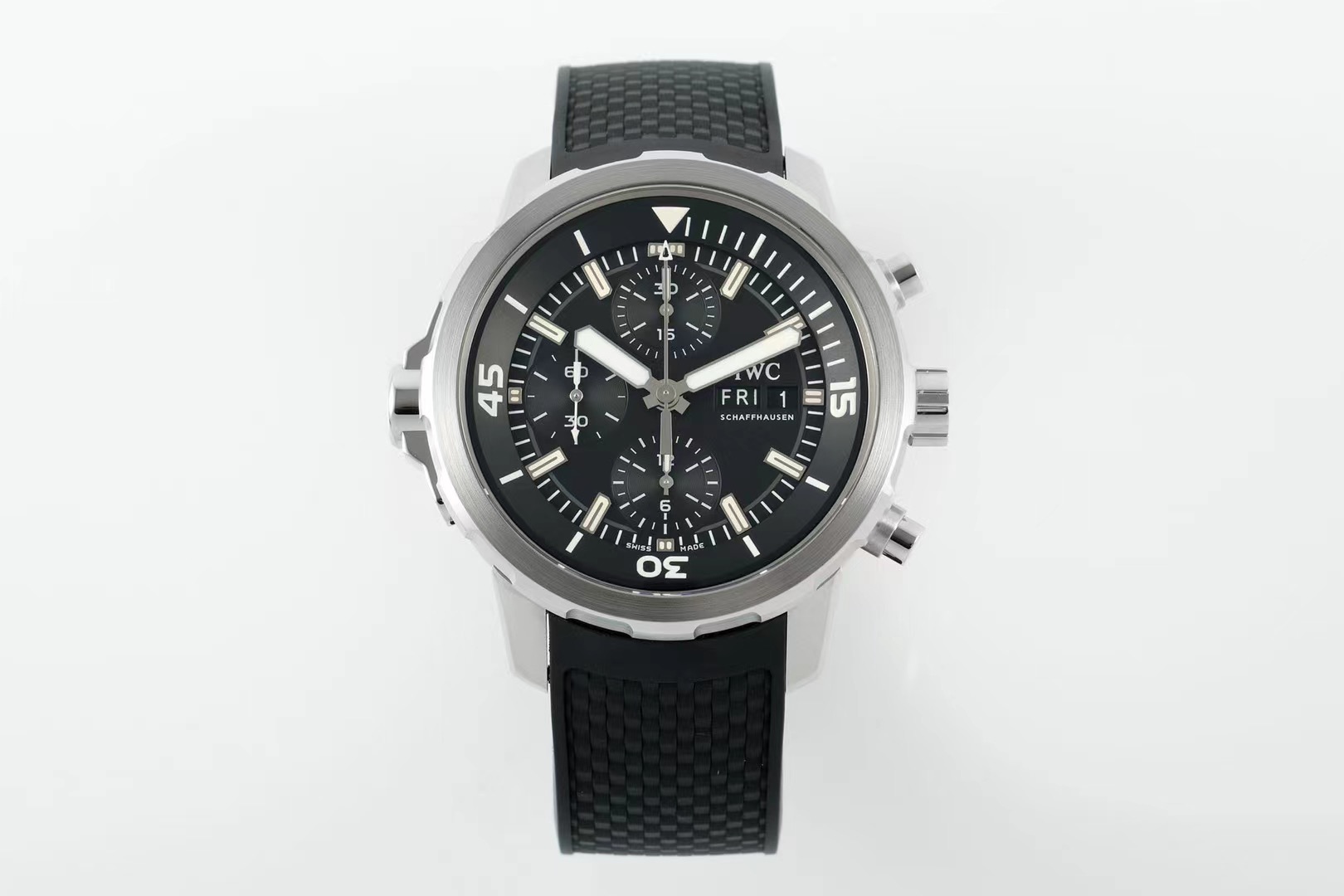
In a market flooded with low-quality imitations, case finishing becomes the decisive threshold between a plausible counterfeit and a disposable fake. It’s not about making the watch look perfect from a distance—it’s about unveiling mastery at proximity. For those who value horological art, APS廠 萬國 even if they can’t afford the original, a replica with exceptional case finishing is a testament to the craft. It says that a maker refused to compromise, in every microscopic detail.
That’s why case finishing isn’t just important—it’s vital. It’s the hidden hallmark of legitimacy in a world where appearances are everything.