

The kitchen in my loft aspiration remains a galley with laminate countertops. I cannot afford marble. I tried a concrete overlay kit from a hardware store. It cracked in a week. So I now embrace the laminate and add texture with open shelving made from reclaimed scaffolding planks. They are thick, rough, and smell like old lumber. I mounted them with heavy-duty brackets into the studs. The first shelf fell off because I used drywall anchors. Learn from me. Use toggle bolts. Now the shelves hold my ceramic mugs and a single monstera plant that refuses to die despite my neglect. The plant adds life to the industrial bones. Without it, the room feels like a waiting room for a car repair s
Finally, do not underestimate the value of empty floor space. In a small apartment, every square meter counts, and furniture that sits unused is wasted potential. I keep the center of my living room clear. No coffee table, no rug, no ottoman in the middle. That open area allows me to do yoga in the morning, host a small dinner party with floor seating, or simply walk from one end of the room to the other without obstacles. When I need a surface for drinks or snacks, I use a lightweight tray table that folds flat and tucks behind the sofa. The freedom of movement makes the apartment feel larger than its actual dimensions. Embrace the minimalism. You do not need to fill every corner. Sometimes the best design choice is to leave a space completely empty.
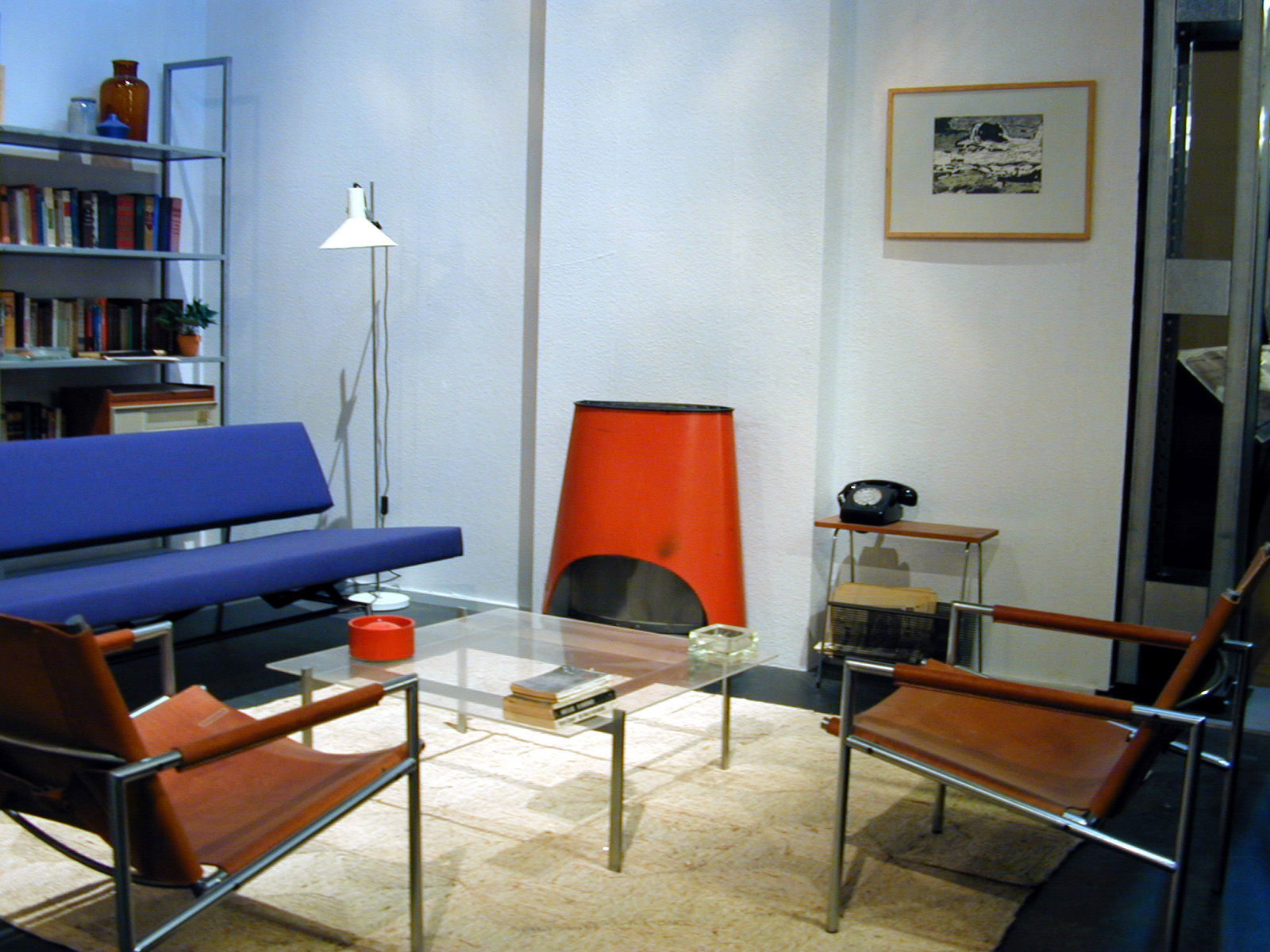 The biggest issue in any small living room is the bed situation. I know because I spent three years waking up to a roll-out mattress that I had to deflate every morning and shove behind the couch like a shameful secret. That is why a practical sofa bed became my non-negotiable item. But not all sofa beds are created equal. I tested a pull-out sofa with a thin memory foam topper first, and my back punished me for months. The trick is to look for a model with a proper slatted frame and a decent foam mattress, at least 16 centimeters thick. That thickness absorbs your weight instead of bottoming out on metal bars. I eventually found a unit with a click-clack mechanism, which means the backrest folds down flat in one smooth motion rather than requiring you to wrestle with a hidden metal frame. It transforms from couch to bed in about eight seconds, and when it is upright, it looks like a regular seating area. You want the mechanism to be sturdy, because a wobbly sofa bed will drive you insane every time you sit d
Lighting in a small living room should not come from a single overhead fixture. That creates harsh shadows and makes the room feel like a interrogation cell. I have three light sources in my tiny space: a floor lamp in the corner, a warm LED strip behind the sofa, and a small table lamp on the storage ottoman. The key is to place lights at different heights so the eye moves upward, which tricks the brain into perceiving more height. I also swapped out my ceiling fixture for a flush mount with a dimmer, because bright overhead light makes a small room feel like a fishbowl. When guests stay over, I dim the lights to 30 percent and they never notice how tight the floor plan actually is. One practical tip: use bulbs with a color temperature around 2700 Kelvin. Daylight bulbs in a small space feel cold and clinical, while warm light makes the velvet upholstery glow and softens the edges of your furnit
Speaking of that foam mattress, I chose a sixteen-centimeter high-resilience foam model with a removable bamboo cover. It is firm enough for daily use but soft enough that a guest does not complain about their spine in the morning. The problem with foam is that it holds heat. I added a breathable mattress topper made from organic cotton and wool, which cost more than the mattress itself but solved the night sweats. The whole assembly sits on that slatted frame, and I have not flipped it in six months. Do not foam mattresses need rotation? Mine does not. It is single-sided. That is fine. But you must vacuum the slats occasionally, because dust collects in the gaps and triggers my allerg
Accent lighting is the unsung hero in small spaces. I installed a thin LED strip under my kitchen cabinets. It cost very little and took ten minutes to stick on. That under-cabinet light eliminates the shadow your own body casts when you are chopping vegetables. It also creates a warm halo along the counter, which makes the kitchen feel deeper. In the hallway, I put a small picture light above a black-and-white photograph. The focused beam highlights the art and draws attention away from the narrow corridor itself. Avoid using floodlights or bright bare bulbs in hallways. They the length of the space and make it feel like a tunnel. Instead, use a small warm sconce or a battery-operated puck light on a shelf. The goal is to create points of interest that distract from the small proportions. One more trick: place a small table lamp on a windowsill. It reflects off the glass and doubles the light output. Plus, from outside, it makes your apartment look warm and lived-in. Nobody wants to stare into a dark blank rectangle at ni