

Tensions in the Middle East have surged dramatically after Iranian leadership-linked sites were reportedly targeted by the United States and Israel, triggering retaliatory strikes from Tehran across the region. The rapidly evolving situation has raised fears of broader escalation, disrupted global markets, and intensified diplomatic efforts from world powers trying to prevent a full-scale regional conflict.
This in-depth analysis explores what happened, why it matters, who is involved, and what could happen next.
We break down the geopolitical context, military implications, regional reactions, and potential global consequences of this high-stakes confrontation.
What Happened: A New Phase in Regional Tensions
Reports indicate that leadership-related facilities in Iran were targeted in coordinated operations allegedly linked to the United States and Israel. While official confirmations remain cautious and tightly controlled, regional intelligence sources suggest that command-and-control infrastructure and strategic assets associated with senior Iranian leadership were among the sites affected.
In response, Tehran launched retaliatory strikes targeting assets and interests across multiple parts of the Middle East, including military installations and strategic positions connected to its perceived adversaries.
The developments mark a dangerous escalation in an already volatile environment shaped by years of shadow warfare, cyber operations, proxy conflicts, and news24x7 covert intelligence operations.
The Strategic Context: US–Iran–Israel Triangle
To understand the gravity of the situation, it is essential to examine the long-standing tensions among these three major players:
-
Iran
-
United States
-
Israel
The rivalry has deep roots:
-
Iran and Israel have engaged in years of indirect confrontation, including cyber warfare, covert operations, and strikes in Syria.
-
The United States and Iran have experienced heightened hostility since Washington withdrew from the 2015 nuclear agreement and reimposed sanctions.
-
Israel has consistently warned against Iran’s nuclear ambitions and military expansion across the region.
This latest exchange appears to signal a shift from indirect confrontation toward more overt strategic targeting.
Why Leadership Sites Matter
Targeting leadership-linked facilities is a significant escalation.
These sites typically include:
-
Strategic command centers
-
Military planning hubs
-
Communication infrastructure
-
Intelligence coordination facilities
Such targets are symbolically and strategically important. Strikes against them send a powerful message intended to:
-
Undermine operational capability
-
Demonstrate military reach
-
Deter further aggression
-
Shift the balance of power
However, they also risk provoking strong retaliation, which is precisely what unfolded.
Tehran’s Retaliation: Strikes Across the Region
Following the reported strikes on leadership-linked sites, Iran responded with coordinated attacks across multiple regional theaters.
Key Areas Impacted
-
Positions in Iraq and Syria
-
Strategic maritime corridors
-
Military-linked assets in disputed territories
Iran has historically relied on both direct missile capabilities and allied regional networks to project power.
Analysts suggest that the retaliatory actions were calibrated to demonstrate strength without necessarily triggering immediate full-scale war — though the situation remains fluid.
Military Capabilities in Focus
Iran’s Arsenal


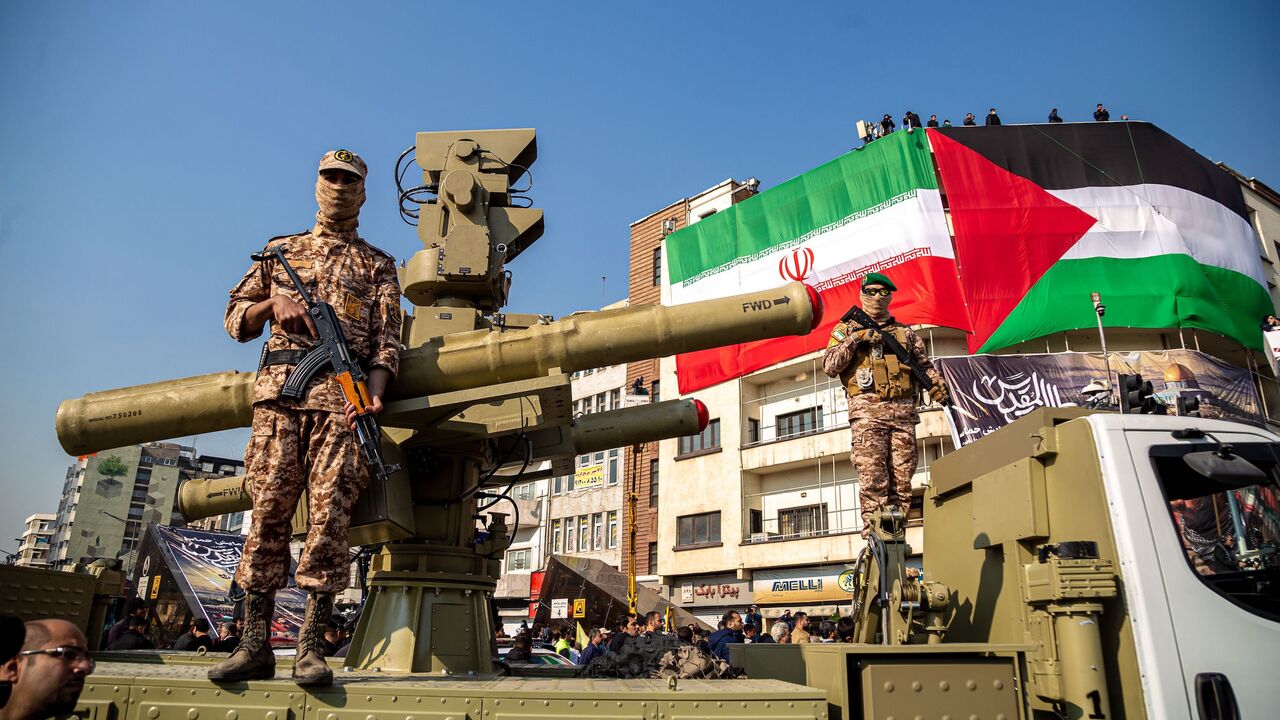
Iran possesses:
-
A large ballistic missile program
-
Advanced drone capabilities
-
Regional proxy networks
-
Asymmetric warfare strategies
Its missile and drone capabilities have expanded significantly in recent years, allowing Tehran to strike targets at considerable distances.