Introduction
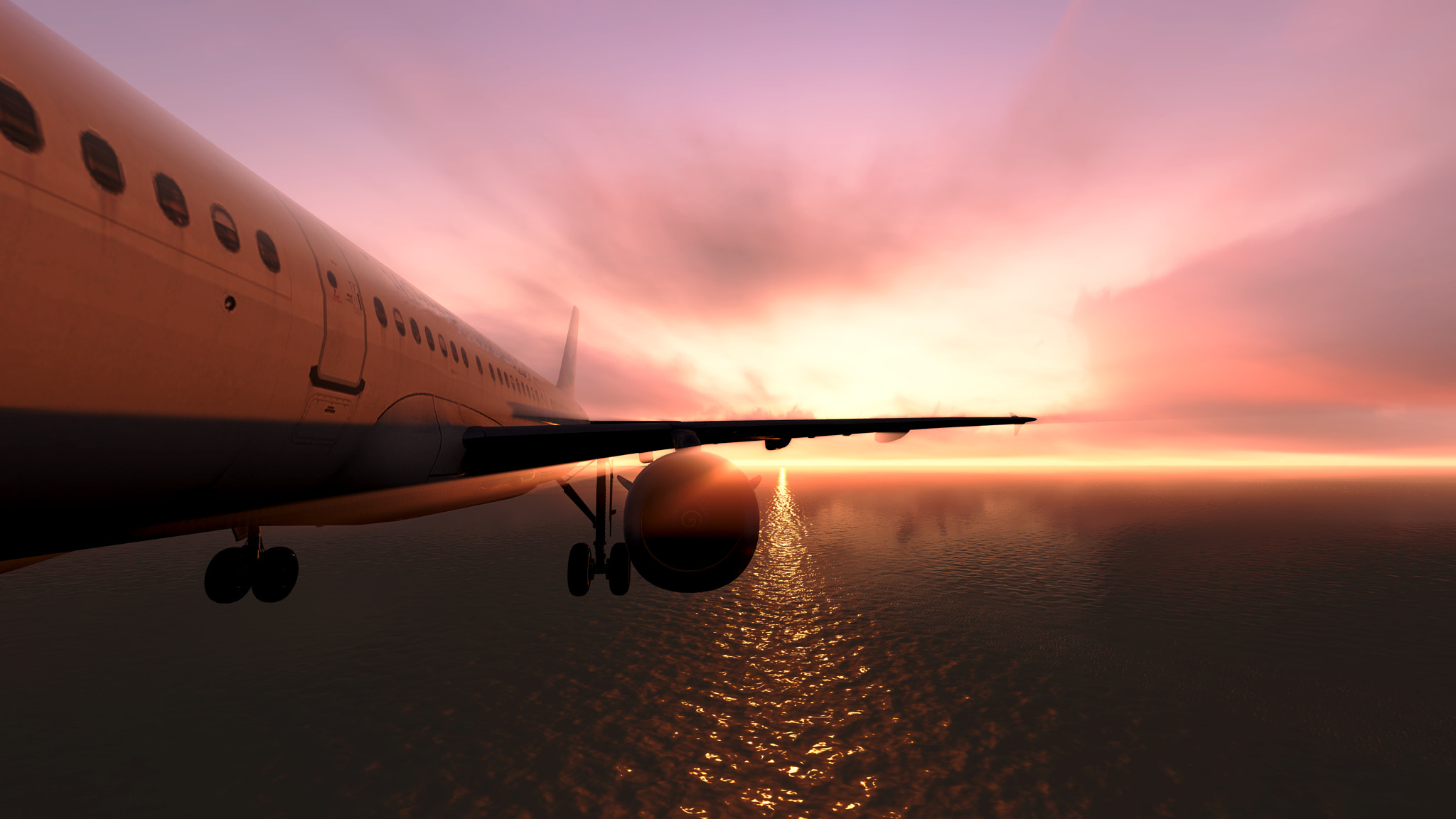
In recent times, private plane flights have seen a big increase in recognition, pushed by various components together with the need for comfort, time savings, and enhanced privacy. This article explores the traits surrounding private aviation, the advantages it affords to people and businesses, and the environmental implications of this mode of transportation. As the aviation trade continues to evolve, understanding the dynamics of private plane flights becomes essential for stakeholders and policymakers alike.
Trends in Private Aviation
The private aviation sector has experienced a notable resurgence, notably following the COVID-19 pandemic. With commercial airlines going through operational challenges and travelers looking for safer alternate options, private flights became a most popular choice for many. According to the National Business Aviation Affiliation (NBAA), the number of private flights in the United States elevated by over 20% in 2021 compared to pre-pandemic ranges. This pattern signifies a shift in client habits, with extra individuals and firms recognizing some great benefits of private air travel.
Additionally, developments in technology have contributed to the expansion of private aviation. The emergence of on-demand charter providers and fractional ownership fashions has made private flying extra accessible to a broader audience. Companies like NetJets and Wheels Up have revolutionized the business by allowing customers to ebook flights by means of consumer-pleasant apps, making the process so simple as booking a experience-share service. This democratization of private aviation has attracted a new demographic of travelers, together with youthful professionals and entrepreneurs.
Benefits of Private Plane Flights
1. Time Efficiency
One of many most vital benefits of private plane flights is the time savings they provide. Private aircraft can access thousands of airports that business airlines do not serve, allowing travelers to land closer to their ultimate destination. Moreover, the boarding course of is streamlined, enabling passengers to arrive at the airport simply minutes before departure. This effectivity is particularly interesting to enterprise travelers who need to maximize productivity and decrease travel time.
2. Enhanced Privacy and Consolation
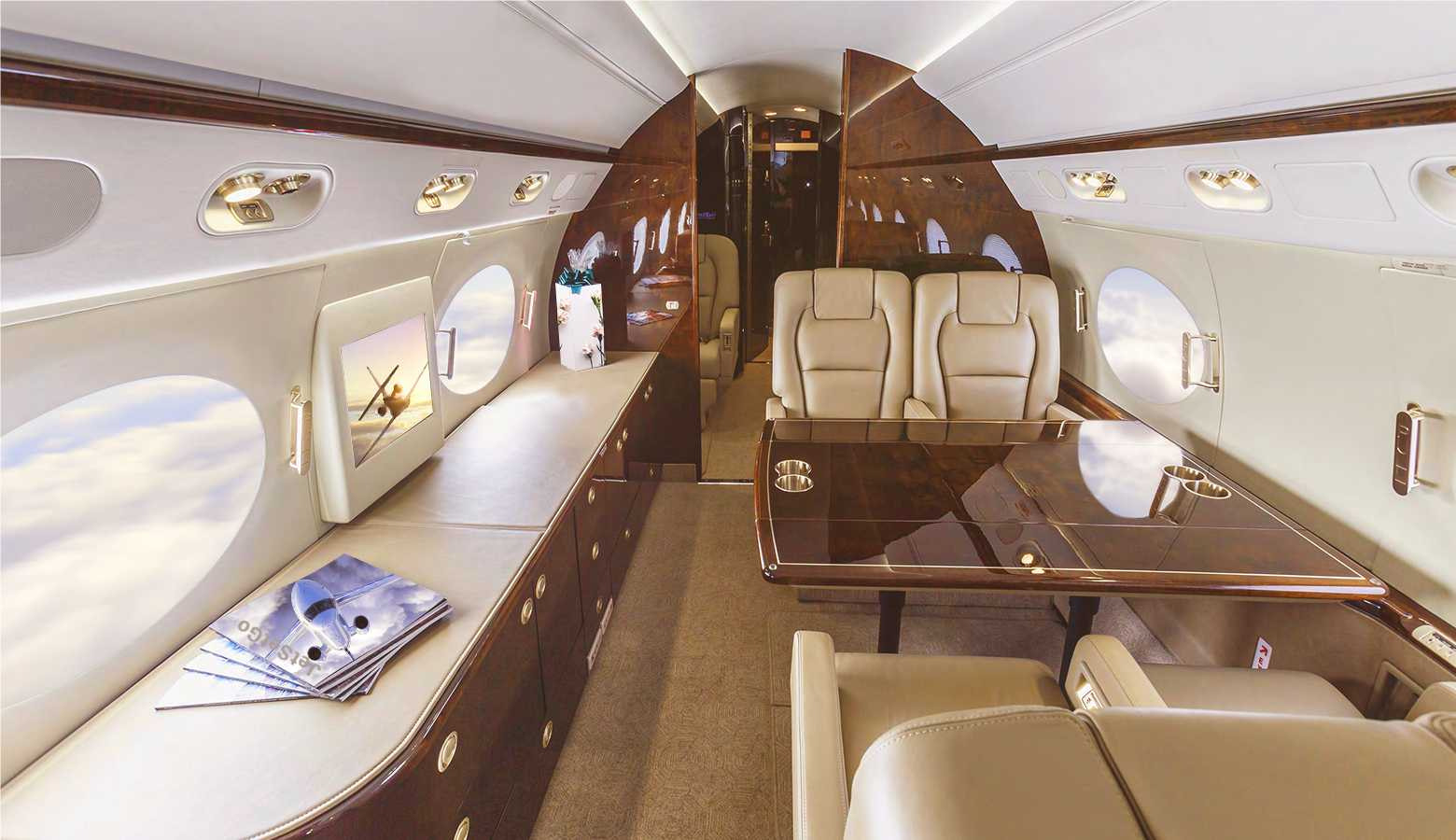
Private flights provide an unparalleled stage of privateness and comfort. Passengers can conduct confidential meetings, enjoy personalised service, and travel in a more relaxed setting. The flexibility to customize in-flight experiences, from catering options to cabin configurations, additional enhances the enchantment of private aviation. For prime-profile people, reminiscent of celebrities and executives, the discretion offered by private flights is invaluable, allowing them to keep away from the public scrutiny usually related to industrial travel.
3. Flexibility and Accessibility
Private aviation offers unparalleled flexibility in scheduling. Travelers can modify departure occasions and routes in response to their preferences, accommodating final-minute modifications and guaranteeing they arrive at their vacation spot when wanted. This flexibility is especially useful for corporations with dynamic schedules or people with unpredictable travel needs. Moreover, private jets can operate in various weather situations and land at smaller airports, offering entry to distant places that may be challenging for business airways.
Financial Impression of Private Aviation
The private aviation sector significantly contributes to the global economy. According to a examine by the NBAA, enterprise aviation supports over 1.2 million jobs within the United States alone and generates roughly $one hundred fifty billion in financial output yearly. The industry also plays an important position in supporting small and medium-sized enterprises (SMEs) by enabling them to achieve shoppers and markets that might in any other case be inaccessible.
Furthermore, private aviation fosters international trade and funding by facilitating business journey. As corporations increase their operations globally, the necessity for efficient transportation solutions turns into paramount. Private flights enable executives to go to a number of locations in a single day, strengthening business relationships and driving financial development.
Environmental Concerns
While private aviation gives numerous benefits, it is important to handle the environmental affect associated with private plane flights. The aviation business is a significant contributor to greenhouse gasoline emissions, and private jets are no exception. In line with the Worldwide Council on Clean Transportation, private jets emit roughly 10 times more carbon dioxide per passenger than commercial flights. This disparity raises concerns about the sustainability of private aviation, especially in an period of accelerating consciousness of climate change.
In response to these issues, the private aviation business is taking steps to cut back its environmental footprint. Many firms are investing in more gasoline-environment friendly aircraft and exploring sustainable aviation fuels (SAFs) to mitigate emissions. Moreover, the implementation of carbon offset packages permits travelers to compensate for their carbon footprint by investing in renewable power initiatives or reforestation initiatives. These efforts reveal a commitment to sustainability and accountable journey, addressing the rising demand for eco-friendly options within the aviation sector.
Conclusion
The rise of private plane flights represents a significant shift within the aviation panorama, pushed by a mixture of comfort, privacy, and technological advancements. As extra people and companies embrace private aviation, it is crucial to contemplate the financial advantages alongside the environmental implications. The industry must proceed to innovate and adopt sustainable practices to make sure its long-time period viability and alignment with international efforts to fight climate change.
As private aviation evolves, stakeholders must engage in significant dialogue to steadiness the demands of travelers with the need for environmental stewardship. By fostering collaboration between industry leaders, policymakers, and environmental advocates, the private aviation sector can pave the way in which for a extra sustainable future while continuing to offer the unparalleled benefits that have made it a preferred choice for many.
References
- Nationwide Business Aviation Association (NBAA). (2021). Enterprise Aviation: Financial Impact.
- International Council on Clean Transportation. (2020). Business Jet Emissions: A Comparison of Enterprise Jets and Industrial Aircraft.